A trip that turns into a maintenance lesson before it becomes a fishing story
The direct answer to what this video is about is simple: it is a Half Moon Bay salmon run that gets interrupted by a chain of boat problems, ends with a tow back to harbor, and then finally pays off with a king salmon once the boat is back in shape. But that short version leaves out the real draw. The video is as much about preparation, patience, and staying flexible as it is about fishing. By the time the first salmon comes over the rail, the trip has already gone through enough trouble to feel like a full season compressed into a couple of days.
That is what gives the feature its shape. This is not a clean departure, a quick limit, and a triumphant return. It is a run of setbacks that starts on land, continues at the launch, spills into the ocean, and only settles down after a lot of wrenching, waiting, and checking things twice.
When a harbor slip, a bad hub, and an impeller set the tone
The opening stretch sets the tone right away. The boat has not been out in a long time, and the deck already needs a basic cleanup before anyone can think about fishing. Even that opening detail matters because it tells you this is a boat that has been sitting, not a machine that has been gently kept in weekly rhythm. The live bait well has salt in it, there is cleaning to do, and the whole point is to make the boat comfortable enough to fish, not to make it look new.
At Half Moon Bay, the plan is to stay for a few nights and beat the launch line. That leads to a practical conversation at the harbor about slips, dock options, and how the place works. The harbor side of the story matters because it frames the kind of fishing day this is: one where the infrastructure around the boat is just as important as the fishing itself. There is a recreational side, a commercial side, and a harbormaster who explains how the harbor is run and how boaters can get help.
Before the trip can even settle into a normal rhythm, the first mechanical problem appears. The motor throws an alarm, the impeller is not pumping properly, and the trailer hub gives out on the drive home. That is the moment the whole video changes shape. What might have been a clean launch becomes an all-day troubleshooting chain. A replacement hub has to be found, the impeller has to be replaced, and the trip keeps getting pushed farther down the calendar.
That kind of delay is frustrating in the moment, but the video makes a useful point without turning preachy: boats do not forgive neglect. When they sit, everything from the motor to the trailer deserves attention before anyone heads offshore.
How the rescue unfolded off Half Moon Bay
The most dramatic section comes once the boat is finally back in the water. At first, the motor seems ready. The impeller is fixed, the oil is changed, and the battery issue is being worked through. Then the boat dies right outside the harbor mouth.
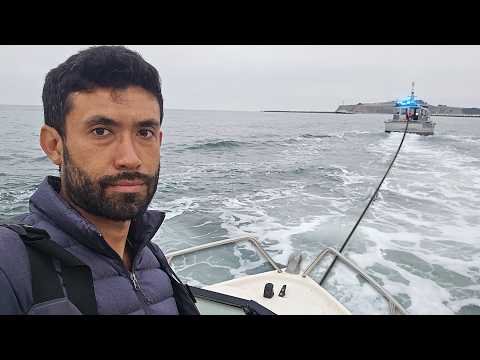
That is the point where the day becomes something else entirely. The creator calls Pillar Point Harbor, explains that the boat is drifting but not in immediate danger, and starts the process of getting help. The harbor patrol and BoatUS both become part of the story. The video does a good job showing the practical side of that exchange: who gets called first, who can tow, who bills whom, and how harbor patrol and towing services coordinate when a boat is dead in the water.
What stands out is how calm the process sounds even though the situation is serious. The boat is close enough for Pillar Point to handle, BoatUS is contacted, and the two sides sort out the tow and reimbursement details. The point is not the drama of being rescued. The point is that rescue is a service you hope never to need, but can be very glad exists when the day goes sideways.
Resetting the boat, then resetting the day
After the tow, the video shifts into recovery mode. The batteries are charged on a trickle charger. The alarm problem is traced back to low battery power. Once the boat is rechecked and the motor is peeing properly again, the mood changes completely.
That reset matters because it keeps the story from staying stuck in failure. The trip is not over when the tow happens. Instead, it becomes a second attempt, and that second attempt is more focused because the problems are now known. The boat is back in working order, the gear is sorted, and the day can finally become about fishing rather than fixing.
This is where the episode starts to feel like a genuine companion to anyone who owns a boat or depends on one for fishing. It is not about perfection. It is about getting back to a usable baseline and making the most of it once the basics are working again.
The salmon bite that made the trouble feel worth it
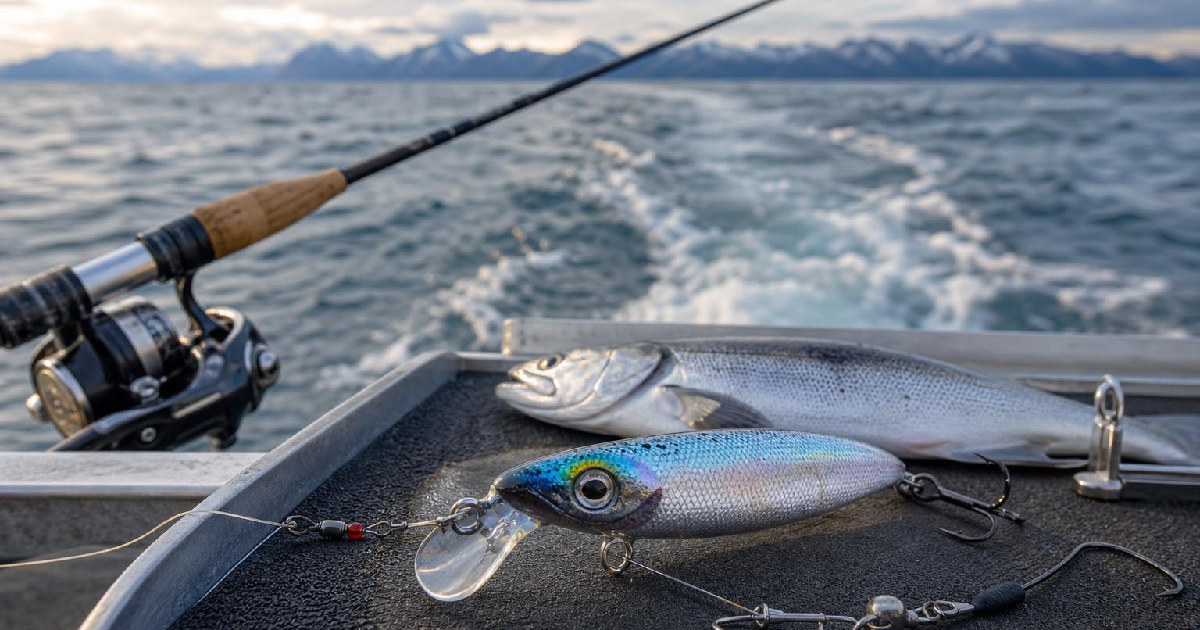
Once the boat is back on the water, the fishing itself is old-school and straightforward. The setup is a deep six diver with bait, a cable baiter, and a trolling approach aimed at salmon in roughly 70 feet of water near San Gregorio and Martin’s Beach. There is no downrigger, no elaborate spread, and no big production around the gear. The method is simple, and the video leans into that simplicity.
The first big payoff comes when a king salmon hits and the fight turns into a solo landing job. That alone gives the fish more weight in the story. There is no crew helping with the net, no easy assist from a deckhand, no room for a polished fish-handling routine. The creator has to bring the fish in, manage the boat, and get the salmon aboard by himself. The fish is later cleaned and iced, with the gills, guts, and bloodline handled on deck while the fish is still fresh.
There is a useful honesty to the way this is presented. The fish is not treated as a trophy shot and nothing else. It is dinner, proof that the day recovered, and a sign that the effort was not wasted.
Later, another strong bite slips away right at the boat, which is the sort of moment that usually lingers with anglers longer than the catch itself. The video does not pretend that every bite turns into a fish in the cooler. That missed opportunity matters because it keeps the day real. Fishing still includes loss, even on a day that ends well.
Why the best part of the video is the part nobody plans for
If the salmon is the reward, the real story is what it took to reach it. The trip shows a full chain of problems: neglected boat maintenance, a trailer failure, a motor alarm, a battery issue, a tow back to harbor, and then a successful return to the water. That sequence makes the eventual fish feel earned in a way a clean, trouble-free trip never could.
There is also a strong practical undercurrent here for readers who fish from their own boats. The video keeps pointing back to maintenance, readiness, and knowing how your harbor works before you need it. It is easy to think of rescue services and harbor patrol as background systems. This trip makes them feel like part of the fishing ecosystem itself.
That is why the ending lands the way it does. The final sentiment is not that everything went perfectly once the fish showed up. It is that the worst parts of the trip and the best parts of the trip all belong to the same day. For a small-boat angler, that is a pretty accurate picture of real fishing life.
Watch the original video: https://www.youtube.com/watch?v=5eag1gDkDo8
RECOMMENDATIONS
All About The Life designs from Texas Thread Theory, inspired by the places you go and the stories you bring back.

All About The Life Adventure RV Badge
A vintage All About The Life RV adventure badge featuring mountains, pine forests, lake scenery, a glowing sunset, and classic compass details. It’s made for RV travelers, campers, road trippers, and anyone who believes home can be wherever you park for the night.