A Bahamas trip built around water, not just sightseeing
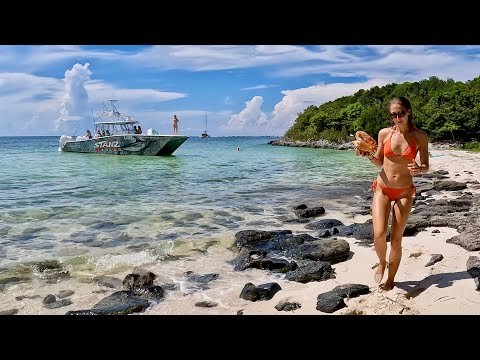
The short answer is that Kelly Young’s remote Bahamas episode is less a travel postcard than a full working trip on the water. The crew crosses from Islamorada to the Berry Islands area, settles into a run of fishing and diving days, and keeps shifting between shallow reef spearfishing, lobster hunting, deep-drop rod-and-reel fishing, and beach cooking. What holds it together is not a single catch. It is the way everyone on the boat keeps adapting to the conditions in front of them.
That matters because the video is never just about “going fishing” in a broad sense. The day begins with a Wahoo troll attempt, moves into shallow reef hunting for hogfish and other reef species, then later stretches into deep water for queen snapper. Between those outings, the crew is cleaning fish, managing gear, dealing with missed shots, and making food out of what they have. The trip feels busy because the water keeps asking for a different answer.
Different depths, different tactics
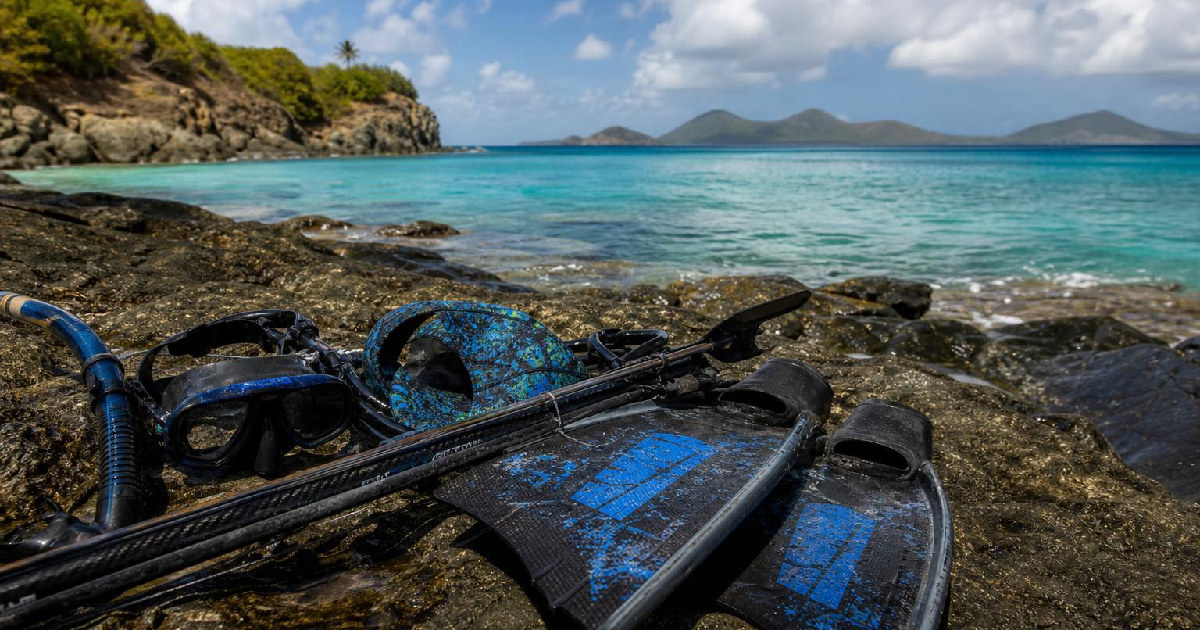
One of the strongest threads in the video is how often Kelly talks about matching gear to the job. On the reef, she prefers a traditional pole spear with a longer band rather than a roller setup. The explanation is practical: a conventional pole spear is easier to load and manage when you are on the bottom, while the roller style makes more sense for blue-water fish like Wahoo or tuna. That small gear choice says a lot about the tone of the whole episode. This is not fancy equipment for its own sake. It is about using the right tool when you are underwater and energy matters.
That same logic shows up in the way the crew approaches the reef itself. Some of the water is very shallow and very clear, which makes fish easier to see and harder to target cleanly. Kelly and Nick repeatedly run into hogfish, CUA snapper, grouper, and jacks in close quarters around ledges and coral structure. In those conditions, even a good shot can turn into a chase, a rock-up, or a fish coming off the tip. The video does not hide that part. It makes the misses feel like part of the job.
When the fish come off the spear, the crew keeps working
The most useful part of the episode may be how normal the setbacks feel. A hogfish comes off after a shot. A slip tip hangs up in rock. Another fish is stoned, but then the tip does not fully engage. Someone else dives down to help free the spear from the reef. The crew is constantly doing the unglamorous part of the work: checking ledges, locating fish that rock up, and helping each other recover gear when the shot does not go exactly right.
That teamwork is one of the real stories here. Nick doesn’t just film or drive; he is also part of the diving rhythm, helping when Kelly gets stuck and keeping track of what fish are around. Sarah, Kyle, Madison, Claire, Laney, and others all move through the trip as active parts of the crew rather than background passengers. Even when one person is on a successful dive, someone else is often spotting from the boat, carrying gear, or helping line up the next move.
The result is a trip that feels collaborative in a genuine way. The fish are personal wins, but the whole operation depends on people paying attention to each other.
Lobster diving turns into beach cooking
By day two, the focus shifts from fish to lobster. The crew heads into shallower water looking under cracks, ledges, and tight spaces where spiny lobster can tuck themselves out of reach. That part of the video has a very different pace. Spearfishing is about quick decisions and clean shots; lobster diving is about persistence, flashlight angles, patience, and working a creature out of a space that doesn’t want to give it up.
The best scenes are the ones where several people take turns trying to free a lobster from a hole. It takes repeated dives, careful hand placement, and a feel for how the tail and shell can wedge against the rock. Nobody is pretending it is simple. When the lobster finally comes out, it feels earned.
Later, those same lobsters become the centerpiece of a beach cookout. The crew uses a makeshift setup, improvises around missing equipment, and cooks a meal that includes fish, lobster legs, lobster tails, and other fresh pieces from the day. It is messy, funny, and very clearly not restaurant cooking. That is the point. The beach meal works because everyone has already done the hard part out on the reef.
The deep drop changes the pace
The day three deep-drop segment adds a different kind of excitement. Instead of chasing reef fish in shallow water, the crew is dropping into about 1,400 feet for snapper. Kelly’s first queen snapper becomes one of the standout catches of the trip, especially because she lands it on a hand-crank setup in conditions where the depth alone changes everything about the rhythm of the fishing.
What makes that sequence work is the contrast. After all the shallow-water diving, the crew is suddenly dealing with line, distance, color change, and long waits for the rig to come back up. Then the payoff arrives: the first queen snapper, followed by more bites and a second pass at the same style of fishing. The episode treats that catch as a real milestone, not just another fish on the list.
It also broadens the story. This is no longer only a spear-fishing trip. It is a full offshore-and-inshore island week, with the deep drop sitting alongside reef hunting and beach food. That variety is part of why the video never gets stale.
Why the blue hole and shoreline scenes matter
The blue hole sequence gives the episode some breathing room. After multiple days of fishing and diving, the crew hikes across the island to a saltwater blue hole with a steep entry and a warm, clear look. The scene is memorable not because it changes the trip’s direction, but because it reminds you that these islands are as much about land as they are about water.
The shoreline also brings out a more reflective side of the video. Kelly notices plastic on the beach. Baby turtles appear. Starfish draw a burst of curiosity. A turtle takes interest in scraps near the water. These moments are smaller than the fish catches, but they matter because they round out the island experience. The place is not just a backdrop for sports. It is a living, busy environment with its own details, its own beauty, and its own problems.
That’s also why the beach barbecue lands so well. The crew is eating directly from the day’s work while surrounded by the island itself. Fish throat meat, lobster, snapper, and shared leftovers all become part of the same story.
What makes this trip feel complete
The best thing about the video is that it doesn’t pretend the trip is polished. It is long, crowded, loud, and constantly changing. People miss fish, lose gear, recover gear, cook without a proper grate, and keep going anyway. The trip feels complete because it captures the real rhythm of a remote Bahamas run: early starts, shifting depths, mixed results, good food, and a lot of trust between people working the same water.
For viewers looking for the quick answer, that is what this episode delivers. Kelly Young’s remote Bahamas fishing and spearfishing trip includes shallow reef hogfish, lobster diving, deep-drop queen snapper, beach cooking, and a blue hole visit, all tied together by a crew that keeps adapting as the day changes.
Watch the original video: https://www.youtube.com/watch?v=BxWyQDyVB6Y
RECOMMENDATIONS
All About The Life designs from Texas Thread Theory, inspired by the places you go and the stories you bring back.
All About The Life Adventure RV Badge
A vintage All About The Life RV adventure badge featuring mountains, pine forests, lake scenery, a glowing sunset, and classic compass details. It’s made for RV travelers, campers, road trippers, and anyone who believes home can be wherever you park for the night.