A blue sky is one of the easiest beach-safety signals to overtrust. Rip currents are driven by waves and nearshore water movement, so dangerous water can exist on a day that looks perfectly good from a beach chair. The sand can be dry, the sun can be out, and the ocean can still contain a fast-moving channel of water capable of carrying a swimmer away from shore.
What a rip current actually does
A rip current is a concentrated flow of water moving away from shore. It does not pull a swimmer under like a trapdoor. The danger is that it can carry someone away from the beach faster than expected, creating panic, fatigue and a strong instinct to fight directly back toward land.
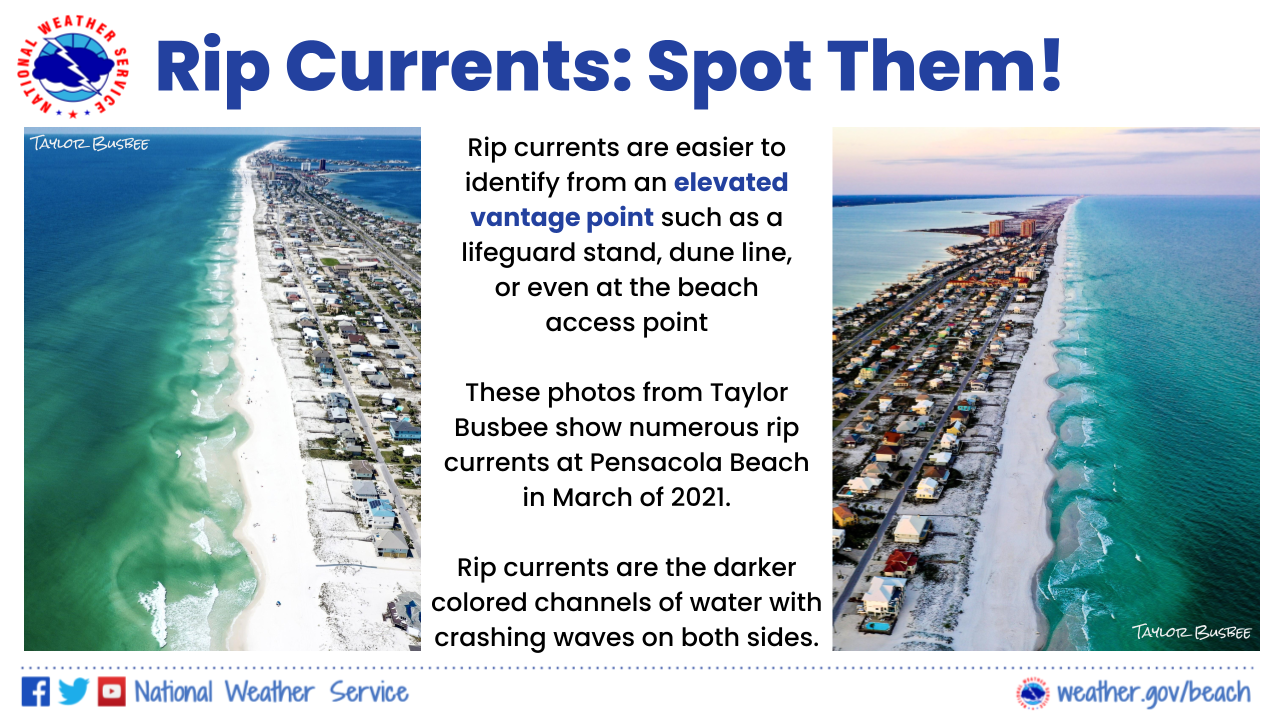
The National Weather Service maintains a rip-current and beach-hazard guide because these currents are not always obvious to someone standing on shore. The water may look calmer in one narrow area or show subtle differences in color, foam or breaking waves, but visual clues are not reliable enough to replace the local forecast and lifeguard guidance.
That is why the safest beach plan begins before anyone enters the water.
Good weather does not mean low rip-current risk
Rip-current danger is connected to surf and nearshore conditions, not simply whether the weather feels pleasant. A beach day can look inviting while the local forecast still calls for an elevated rip-current risk.
Before swimming at an unfamiliar beach, check the National Weather Service beach forecast or other official local hazard information. Read posted flags and signs when you arrive. If lifeguards are present, ask about the current conditions rather than assuming yesterday’s safe area is still the best place to swim today.
This matters especially on vacation, when a family may be seeing the coastline for the first time. The beach can look similar to one back home while the bottom shape, surf and current patterns are completely different.
Swim near lifeguards when they are available
NWS beach-safety guidance recommends swimming near lifeguards where possible. That advice is practical for two reasons: guarded areas are selected and watched by people familiar with local conditions, and trained help is already nearby if a swimmer gets into trouble.
A lifeguard can also identify hazards that may not be obvious from the parking lot. If guards direct swimmers away from a section of beach, treat that instruction as current local information rather than an inconvenience.
Swimming near a lifeguard does not eliminate risk, but it adds a layer of observation and response that an isolated stretch of beach does not have.
Fighting directly toward shore can exhaust you
The instinctive response to being carried away from the beach is to swim straight back toward shore as hard as possible. If that means swimming directly against the current, the swimmer can burn energy without making the progress they expect.
The National Weather Service’s dangerous-current guidance emphasizes staying calm, conserving energy and moving out of the current rather than exhausting yourself fighting directly against it. Once clear of the strongest flow, a swimmer can work back toward shore.
The exact escape direction depends on the current and the swimmer’s situation, which is another reason panic is dangerous. The priority is to avoid turning the first seconds into an all-out sprint against moving water.
If you cannot escape the current, float or tread water to conserve energy and signal for help. The goal is to remain capable of responding rather than becoming exhausted immediately.
Do not turn a rescue into a second emergency
When someone else is caught in a current, the natural reaction is to jump in after them. An untrained rescuer can quickly become another person who needs help.
Alert a lifeguard or emergency responder when available, and follow local rescue guidance. If approved flotation or rescue equipment is nearby, trained personnel can use it without putting another swimmer into the same current unprepared.
This is one reason choosing a guarded area before swimming matters so much. The best rescue plan is to have trained help close enough that family members do not have to improvise one under stress.
Teach children what the flags mean before they swim
Beach flags and warning signs are easy to ignore when children are excited to reach the water. Take a minute to explain that the flags are part of the swimming rules for the day, not decoration.
Show children where the guarded area begins and ends. Set a clear rule about how far into the water they can go and who must be with them. If conditions change or lifeguards move swimmers, update the plan immediately.
The conversation should happen while everyone is still dry. Trying to explain rip-current safety after a child has already entered rough surf is much harder.
A calm-looking gap in the breakers can be misleading
People often assume the safest-looking water is the smoothest-looking water. In some situations, a rip current can appear as a gap in breaking waves because water is moving back offshore through that area.
That does not mean every calm patch is a rip current, and swimmers should not try to diagnose the ocean from a single visual clue. The important point is that “it looks calmer over there” is not a reliable safety decision by itself.
Use official hazard information, lifeguard direction and local beach conditions instead of choosing a swimming spot only by appearance.
Check the beach forecast as part of the daily plan
On a multi-day beach trip, conditions should be checked each day. Yesterday’s low-risk afternoon does not guarantee today’s conditions.
Look for the local rip-current risk, surf hazards and any active warnings before leaving the hotel or rental. Then compare that information with posted beach flags after you arrive. If the two sources indicate higher risk, adjust the swimming plan rather than waiting to see whether the water feels dangerous.
That may mean swimming only in a guarded area, staying in shallow water, choosing a pool day or changing the beach schedule entirely.
What to remember if you are caught
The most useful instructions are simple enough to recall under stress:
- Stay as calm as you can.
- Do not exhaust yourself fighting directly against the current.
- Move out of the current when possible rather than treating it like a straight race to shore.
- Once clear, work back toward the beach.
- If you cannot get out, float or tread water and signal for help.
Those steps are easier to remember if everyone in the group has heard them before entering the water.
Sunshine is not a safety forecast
A beautiful day can create a false sense that the ocean is automatically safe. Rip currents are a reminder that beach safety depends on the water, not just the sky.
Before swimming, check the local forecast, read the flags, use guarded areas when available and talk through what to do if the current carries someone away from shore. If conditions are beyond the group’s ability, change the plan.
The beach can still be a great day without proving anything to the ocean. Sunshine is an invitation to enjoy the coast, not a substitute for current hazard information.
RECOMMENDATIONS
All About The Life designs from Texas Thread Theory, inspired by the places you go and the stories you bring back.

Make A Story Worth Telling
A scenic vintage-inspired design that encourages you to “Make A Story Worth Telling.” Mountains, water, sunset, and tropical details give it an adventurous feel that’s perfect for travelers, explorers, and anyone who wants a life filled with moments worth remembering.