Plan the swimming day before the drive
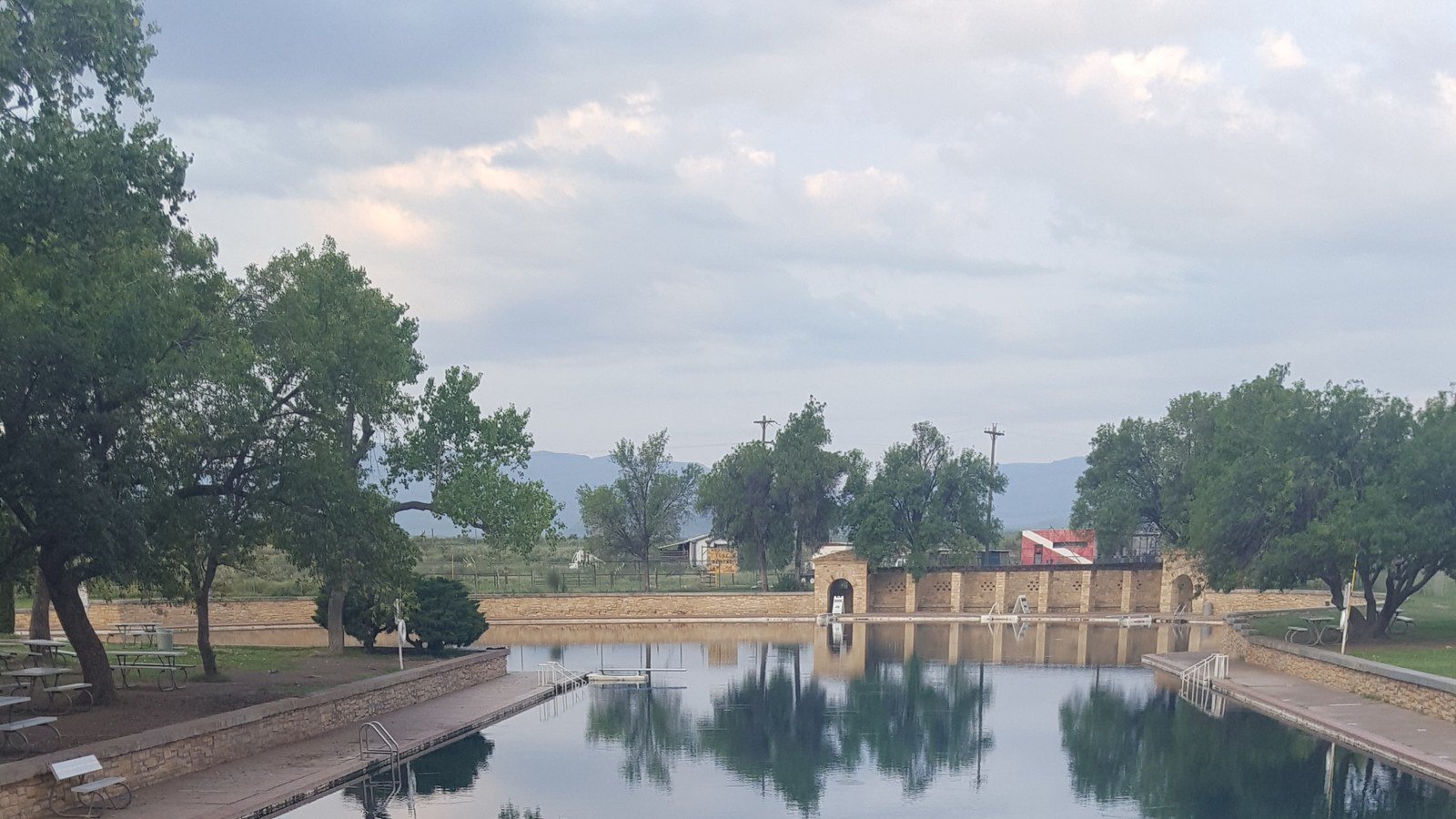
Balmorhea State Park is a spring-fed swimming destination in Toyahvale, Texas. For a day trip, start with three decisions: when to reserve entry, who will supervise younger swimmers, and what to pack for the pool area. Those choices matter more than trying to fit every park activity into one visit. San Solomon Springs supplies the pool, and the park also protects restored desert wetlands that support endangered fish and other wildlife. TPWD park overview
This is a researched guide to a swimming day, not a firsthand account or a promise about conditions on a particular date. Use the official park pages to check details before leaving. A useful plan leaves room to change the date or activity if the information for your visit does not match what your group needs.
Reserve entry and use the time on your pass
Do not build the trip around being able to buy a pass when you arrive. Day passes can sell out, and walk-up entry depends on remaining capacity. TPWD's January 2026 alert recommends advance passes for summer, weekends, school breaks and holidays. Start with the park alerts, then follow the official reservation link for your intended date. This guide has not checked availability for a specific visit.
Before making the drive, read the entry time attached to your reservation. TPWD's FAQ says visitors with a 3 p.m. entry pass can enter at 3 p.m. and stay until closing. Build the day's schedule around the time on your pass. Entry information
Keep the reservation details available to the person handling check-in. Visitors collect pool wristbands at park headquarters, so include that stop in the arrival plan. Agreeing on who manages the booking and who looks after the group's belongings can make arrival less confusing. Balmorhea FAQ
Understand the water and supervision requirements
TPWD lists a maximum pool depth of 25 feet and year-round water temperatures of 72–76°F. These describe the pool; they do not establish that every part suits every swimmer or that everyone will find the water comfortable. Treat them as information for deciding whether this outing fits your group. Pool details
There are no lifeguards on duty. Swimmers younger than 15 must be supervised continuously by a parent, legal guardian, or another responsible adult older than 17. Read the park's swimming guidance together before the visit.
Make the supervision arrangement explicit instead of assuming someone else is watching. If adults plan to take turns swimming or doing other activities, discuss those handoffs in advance. A list of park amenities cannot answer whether a particular swimmer is ready for this pool, and this article does not make that assessment.
Pack for the pool rules
Alcohol may not be consumed or displayed in the pool or day-use areas. Keep that restriction in mind when packing drinks, and check the current Balmorhea rules before your visit.
Check your usual swimming-day kit against the park's rules before loading it. Food is allowed in the pool area, but glass containers are not. Grilling belongs in the day-use picnic area. Decide whether the meal will be packed food or a separate picnic-area stop, and choose containers accordingly. Food and picnic rules
Shade canopies are allowed in the pool area; tents are not. Floats must be soft-sided, inflatable and no larger than eight feet by four feet. Paddles, oars and motorized devices are prohibited. Measure a large float before bringing it rather than relying on how its packaging describes the size. Equipment rules
Pets cannot enter the pool area. In other day-use areas they must be leashed and attended. A pet changes the group's plan: everyone cannot assume they will spend the same time inside the pool area while an animal is left elsewhere. Work out that responsibility before deciding this is the right outing. Pet rules
Leave room for time out of the water
The Civilian Conservation Corps built the park and pool in the 1930s. Today, the park lists picnic sites, an outdoor sports area and a playground alongside its swimming attraction. Those give a group other possible activities to consider, without turning the day into a checklist. This guide does not promise that a particular space will be available when you arrive. Park history and amenities
Choose a simple priority for the visit. A group mainly interested in swimming may want a different pace from one balancing water time with a meal and other activities. Discuss that difference before making reservations, especially if people are traveling together but have different expectations.
Observe wildlife without feeding or catching it
The spring setting is part of what makes this destination distinctive. Feeding or catching fish and other aquatic wildlife is prohibited. Observation should stay observation; the outing is an opportunity to watch wildlife, not to handle or feed it. Wildlife guidance
For a group visiting together, explain this before entering the water. That makes the expectation clear without waiting for someone to offer food to an animal or try to catch it. The point is to enjoy the place while respecting the rules that protect what lives there.
Recheck the schedule before leaving
The pool closes for annual cleaning, usually for one week in early May. Treat that as a reason to confirm the actual schedule, not as a fixed set of closure dates. Check current alerts again close to departure. Swimming schedule
Scuba has separate fee, certification and buddy requirements. Anyone planning to dive should read the full official guidance; this swimming-day article is not a diving checklist. Keep the final departure check simple: reservation date and entry time, current alerts, supervision arrangements, and equipment that meets the park's rules.