Why Asilomar works as a walking coast
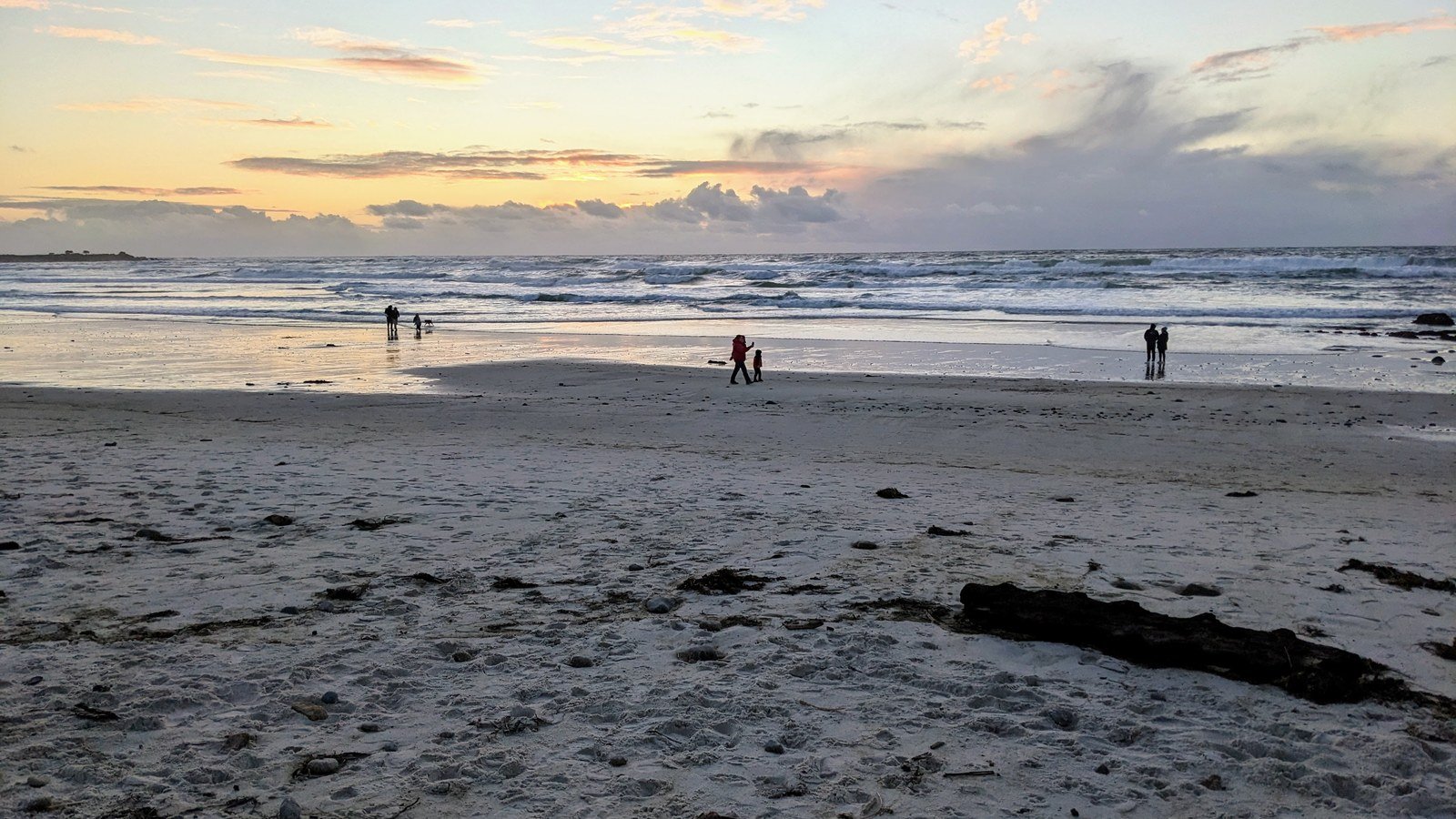
Asilomar State Beach in Pacific Grove, California, offers a coastal walk through sand, rock and dunes. The setting combines sandy beach and rocky coastline near the dune preserve, with the coast running alongside Sunset Drive (California State Parks). Plan the outing around those different parts of the shoreline, keeping to established paths as the setting changes.
For visitors who want a simple coastal outing, the strongest case for Asilomar is not a long list of amenities. It is the chance to move slowly through a place where the shoreline, dunes and nearby trail network are tied together, while still following clear rules meant to protect the coast itself.
Start with the right expectation
Separate the beach’s facilities from those of the adjoining grounds when planning a visit. The beach has no picnicking facilities and does not allow camping, bonfires or alcohol (California State Parks). The absence of picnic facilities is not a stated ban on picnics. For this walking itinerary, decide what the group needs before setting out rather than assuming those facilities are on the beach.
That same practical lens helps with timing and packing. Because the beach itself has no restrooms, the public restroom is at Phoebe Hearst Social Hall across the street (California State Parks). For anyone planning a longer stretch of time on foot, that detail matters more than a broad description of the scenery.
The park also places the coast in context with the nearby conference grounds, which include historic buildings designed by Julia Morgan, while noting that the beach and conference grounds are related but distinct areas (California State Parks). That distinction can help visitors orient themselves: the shoreline is one experience, and the conference grounds are another.
Walk the coast with the habitat in mind
Asilomar’s most compelling feature is the way the shoreline functions as habitat. California State Parks notes that the Coast Trail and Dune Natural Preserve support Menzies’ wallflower and Tidestrom’s lupine, and that the shoreline provides nesting habitat for shorebirds including black oystercatchers (California State Parks).
That turns an ordinary beach walk into something more attentive. Instead of focusing only on ocean views, the more useful approach is to notice how dunes, sandy stretches and rocky edges support plant life and nesting birds. Keep observations to what is visible from permitted routes; the plant names are useful context, not a guarantee of seeing or identifying either species.
For readers deciding whether to stop here, that matters because Asilomar rewards observation. A shoreline visitor can look for the transition between beach and rock, note the dune-preserve edge, and keep a respectful distance from areas where wildlife may be nesting. The setting invites a slower pace and a more careful line of travel.
Follow the trail and boardwalk guidance
The Coast Trail page gives a clear management message: walkers should use established trails and boardwalks and stay away from posted areas (California State Parks). That is especially relevant at Asilomar because coastal erosion has affected some trail sections, and maintenance has included tread repairs, drains, fencing and boardwalk repairs (California State Parks).
Use the marked routes and follow current signs. The maintenance account is background information, not a live report that every repaired segment is open. Read current notices before the visit and follow signs on arrival; do not use this guide to override a closure.
This also argues against improvising shortcuts onto sensitive areas. The park specifically directs walkers to established paths and boardwalks. For a shoreline walk focused on dunes and rocky coves, that is an advantage, because it keeps the visit centered on the coast without wandering into areas the park has marked off.
Wildlife etiquette is part of the visit
Keep the ocean in view while exploring the rocky shore. California State Parks warns that sneaker waves can arrive higher and stronger than preceding waves, and a rising tide can leave visitors stranded on rocks. Check local tide information, watch the water as well as your footing, and follow current warnings and closures. Asilomar tidepool and ocean-safety guidance
A good Asilomar walk depends on observing wildlife rules as closely as scenery. The marine reserve protects shells, rocks and marine life, and fishing and collecting are prohibited (California State Parks). Leave shells and rocks where they are. A photograph or observation can record the visit without taking protected material home.
The park also asks visitors to respect temporary beach closures protecting nesting oystercatchers (California State Parks). Combined with the trail page’s note that the shoreline provides nesting habitat for shorebirds including black oystercatchers, this is a clear signal that wildlife-sensitive access is a core part of the experience (California State Parks).
For a practical visit, the takeaway is straightforward: if an area is posted or closed, treat it as part of the coastal landscape, not as an inconvenience. A shoreline walk here is strongest when it leaves room for birds, dunes and marine life rather than trying to push through them.
Plan around access, dogs and parking
California State Parks describes the Asilomar Coast Trail as accessible. A beach wheelchair can be requested at the registration desk in Phoebe Hearst Social Hall; contact the front desk before a visit to confirm arrangements. Review the park’s accessibility information for the route details that matter to your group. This does not mean every beach entry or stretch of sand is accessible. Trail and wheelchair information
Parking and a bicycle lane run beside the beach along Sunset Drive, and park guidance asks drivers to keep vehicles out of the bicycle lane (California State Parks). That detail is useful for anyone arriving by car or bicycle: keep the bicycle lane clear when choosing a parking space. Proximity alone does not establish that a particular route suits every visitor.
Dogs are allowed on the beach, trails and conference grounds, but they must remain on leash and are not allowed inside conference-ground buildings (California State Parks). For visitors bringing a dog, that creates a simple decision rule: stay outside the buildings, keep the leash on, and use the shoreline and trails rather than expecting free-roaming access.
Because the beach is adjacent to historic conference-ground buildings but not the same space, visitors can shape a short outing around whichever part fits the day. A beach-focused walk can stay with the sand and rocks; a separate visit to the grounds needs its own planning. This guide does not establish a connected loop or guarantee that individual buildings are open.
A simple way to use Asilomar well
The most useful way to visit Asilomar State Beach is to treat it as a careful coastal walk with a strong sense of place. The shoreline offers sand, rock and dunes; the trail system points walkers to established paths and boardwalks; and the wildlife rules make the area more than a scenic backdrop (California State Parks, California State Parks).
That combination makes the beach especially appealing to visitors who value observation over speed. The marine reserve, nesting habitat, erosion-sensitive trail sections and posted closures all point to the same idea: this is a coast to slow down for, not rush through.
If the goal is a shoreline walk with room for dunes, rocky coves and responsible wildlife viewing, Asilomar fits well. Before departure, confirm the practical details for the intended outing. Camping, bonfires, alcohol, collecting and fishing are prohibited at the beach; do not confuse those rules with the separate lack of picnic facilities.
RECOMMENDATIONS
All About The Life designs from Texas Thread Theory, inspired by the places you go and the stories you bring back.
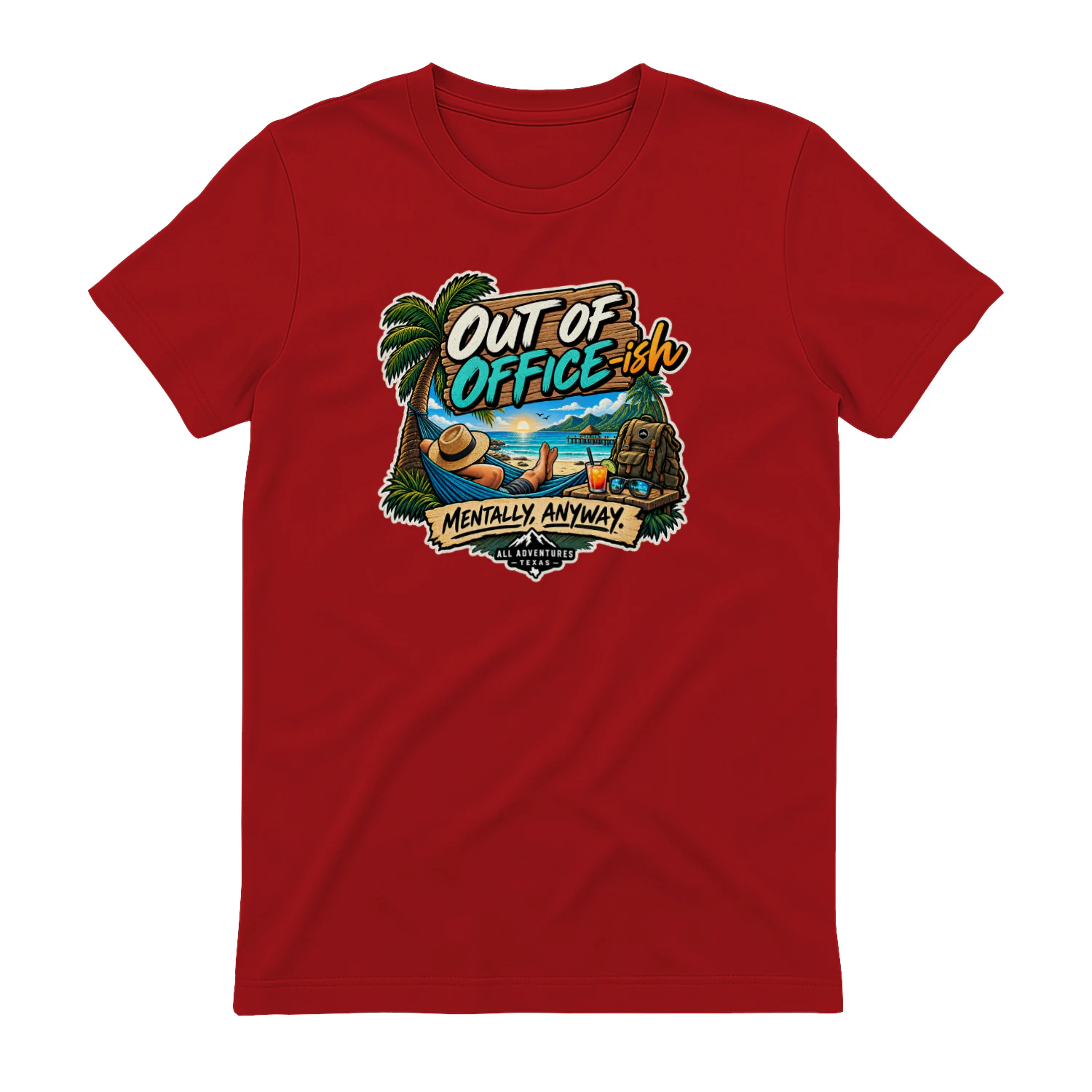
Out Of Office-ish — Mentally, Anyway.
A playful vacation design for anyone who may be physically present but mentally somewhere with palm trees. “Out Of Office-ish — Mentally, Anyway.” brings together beachy travel details and a little humor for travelers, vacation lovers, and people permanently ready for their next escape.