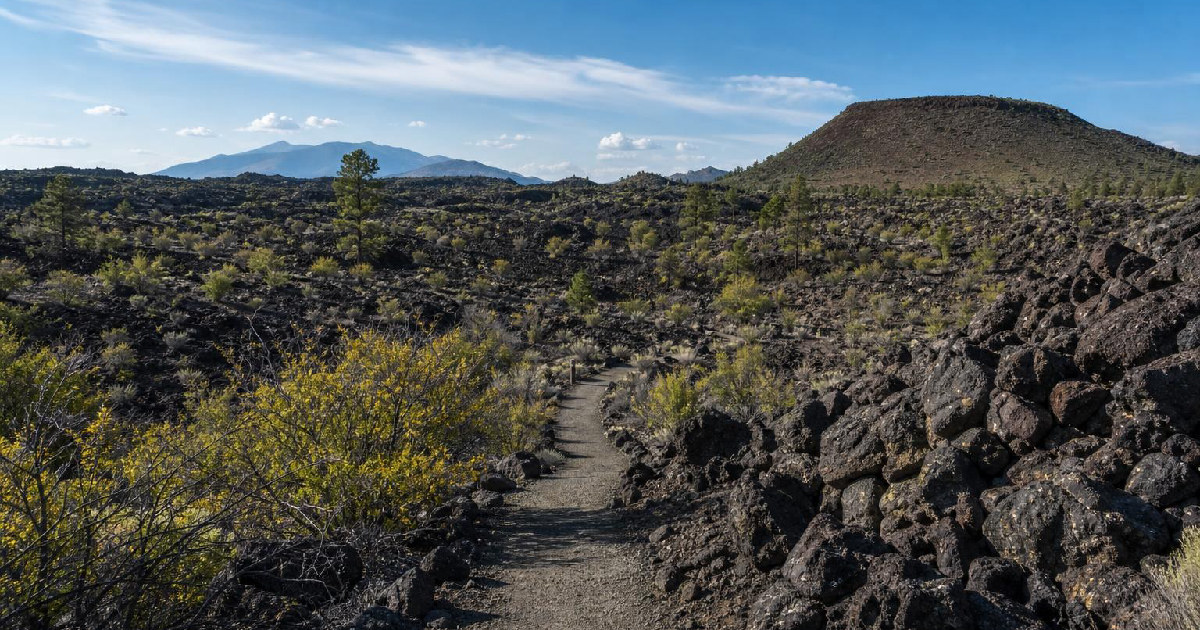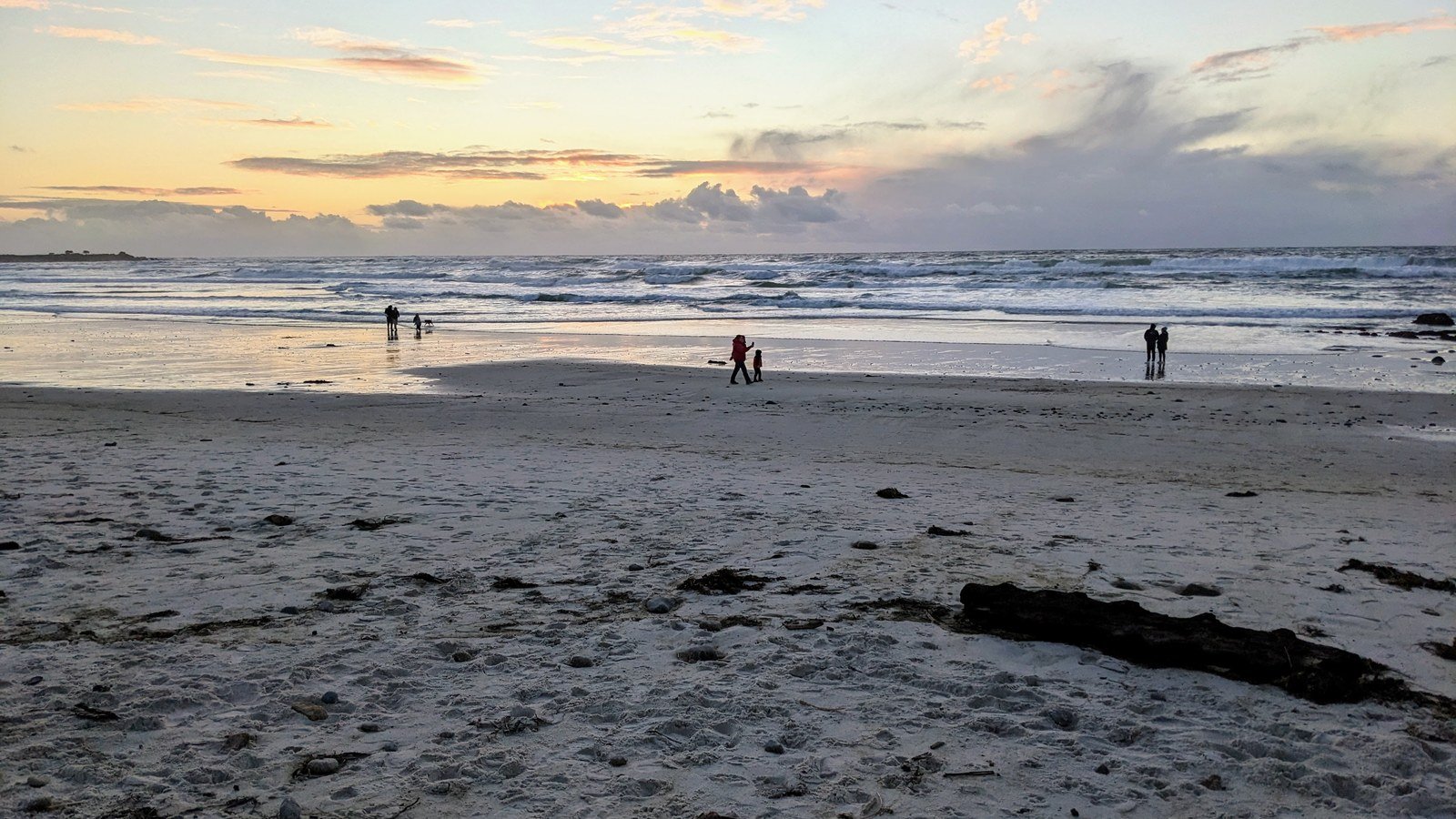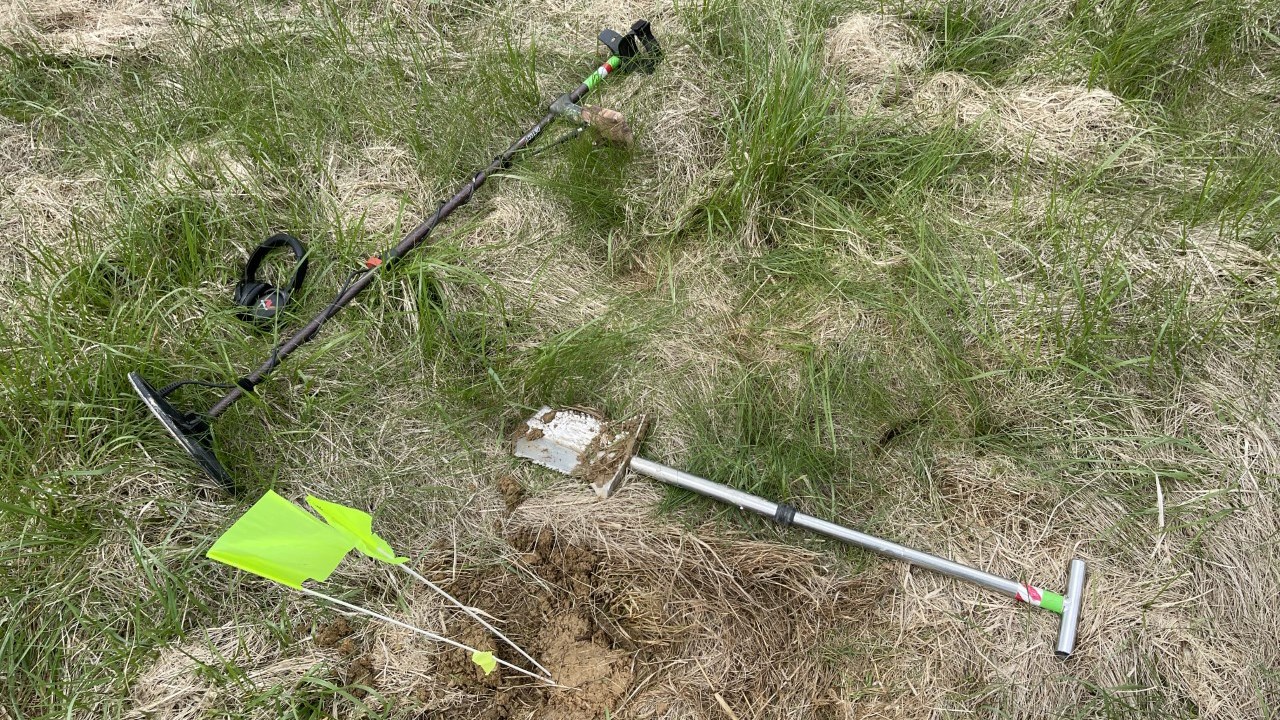
A patch of open ground can look like an invitation to a metal detectorist, especially when the land is publicly owned. The problem is that “public land” describes ownership, not a single set of recreation rules. A beach, national forest, wildlife area, Bureau of Land Management parcel and national park can all be public while the rules for detecting, digging and keeping what you find are completely different.
That makes permission research part of the hobby, not something to think about after a target is already out of the ground.
National parks are a hard stop
The National Park Service is unusually clear. Its guidelines for visiting archeological places say metal detecting and possession of a metal detector are illegal in national parks. The same guidance says unauthorized excavation and removing archeological artifacts are illegal.
That means a national park is not a place to test whether a target “looks modern enough” before deciding what to do. The restriction applies before the search begins. Carrying a detector into a park for recreational searching can itself be a problem under the NPS guidance.
National parks are a useful example of why “federal land” is not enough information. Different federal agencies manage land under different laws, missions and local rules. A detectorist should identify the exact managing agency before assuming that access for hiking, camping or fishing also creates access for detecting.
Public access and detecting access are different things
A trailhead can be open. A campground can be open. A beach can be open. None of those facts automatically answers whether metal detecting is allowed.
Some public places may prohibit detectors entirely. Others may allow detecting only in designated zones, restrict digging tools or require a permit. Rules can also differ between state, county and municipal properties even when the sites sit next to one another.
Before a trip, separate the questions:
- Is the public allowed to enter the area?
- Is metal detecting specifically allowed?
- Is digging or disturbing the surface allowed?
- Can recovered objects legally be removed?
A “yes” to the first question is not a shortcut to the other three.
Finding an object does not automatically make it yours
An old target can be more than an interesting object. It may be part of an archeological site, and removing it can destroy information about where and how it was deposited.
The National Park Service’s archeology FAQ explains the agency’s role in protecting archeological resources. NPS guidance asks visitors to leave artifacts where they find them and report disturbed sites rather than treating historic material as a souvenir.
The legal status of a find depends on what it is, where it was found and which laws govern the site. A modern lost item, a historic coin and an archeological object can be treated very differently. The detector does not make those distinctions for you.
If a target appears historically significant or is associated with other old material, stop before turning the recovery into a larger excavation. The correct next step may be to leave the object in place and contact the land manager.
Digging can be a separate restriction
Even where detecting is permitted, digging may have its own rules. A site can allow a detector to be used while restricting the size of tools, depth of disturbance or areas where plugs can be cut.
That distinction matters because the physical impact of recovery is often what land managers are trying to control. A detectorist who receives permission to search should not assume that any recovery method is acceptable.
Use the smallest disturbance necessary where digging is allowed, refill holes and leave the surface as close to its original condition as possible. Good recovery habits do not replace the law, but they help preserve access where the activity is permitted.
Old maps are not permission slips
Historic maps, aerial photographs and research can be excellent tools for finding promising locations. They can also point directly toward protected sites.
A former settlement, old road, battlefield, structure site or long-used gathering place may have exactly the history that makes it interesting to a detectorist and exactly the cultural significance that makes recovery restricted.
Research should therefore have two tracks: “Why might this location contain targets?” and “Who manages it, and what rules protect it?” A location becoming more interesting historically should make the permission check more important, not less.
Beaches require their own rule check
Beaches are often associated with casual lost-item hunting, but ownership and management can change along a coastline. One section may be municipal, another state-managed and another part of a protected area.
Do not assume that seeing other detectorists on the sand proves the activity is legal. They may have permission, may be in a different management zone or may simply be wrong.
Check the official rules for the specific beach and learn whether any seasonal, environmental or resource-protection restrictions apply.
Private property needs clear permission too
“Public land” research often leads detectorists to old home sites, farms or vacant-looking lots nearby. A property appearing unused does not make it public.
If the land is privately owned, get clear permission from the owner before detecting or digging. Discuss what types of finds can be removed and how recovery holes should be handled. Clear expectations before the search prevent disputes after an interesting target is found.
Build a permission check into every hunt
A reliable pre-trip workflow is simple:
- Identify the exact parcel you want to search.
- Identify the agency or owner controlling it.
- Read the current rules from that source.
- Verify detecting, digging and removal separately.
- Check whether permits or designated areas apply.
- Save the relevant rule or permission information before the trip.
If the official guidance is unclear, contact the managing office. A short phone call or email is far better than trying to interpret a citation after the fact.
Leave the site better than you found it
Legal access survives partly because responsible users make their impact hard to notice. Remove modern trash when appropriate, refill permitted recovery holes and avoid damaging roots, vegetation or built features.
If a site produces something that may be archeologically important, resist the urge to keep chasing nearby signals. Context can be as important as the object itself.
The best hunt starts with permission
Metal detecting is at its best when the mystery begins after the rules are settled. Knowing that you can legally search, recover and keep permitted finds lets the day focus on discovery instead of uncertainty.
“Public” is not a category of detecting permission. It is the beginning of the research. Identify the land manager, verify the rules and treat protected cultural resources as part of the place rather than prizes to be removed.
A few minutes of rule checking protects the detectorist, the resource and future access for everyone who wants to search responsibly.
RECOMMENDATIONS
All About The Life designs from Texas Thread Theory, inspired by the places you go and the stories you bring back.
Keep Exploring Badge
A vintage outdoor badge centered on one simple message: “Keep Exploring.” With mountains, evergreens, a river, hiking boots, lantern, map, and compass details, it’s made for hikers, campers, travelers, and anyone who is always curious about what’s around the next bend.