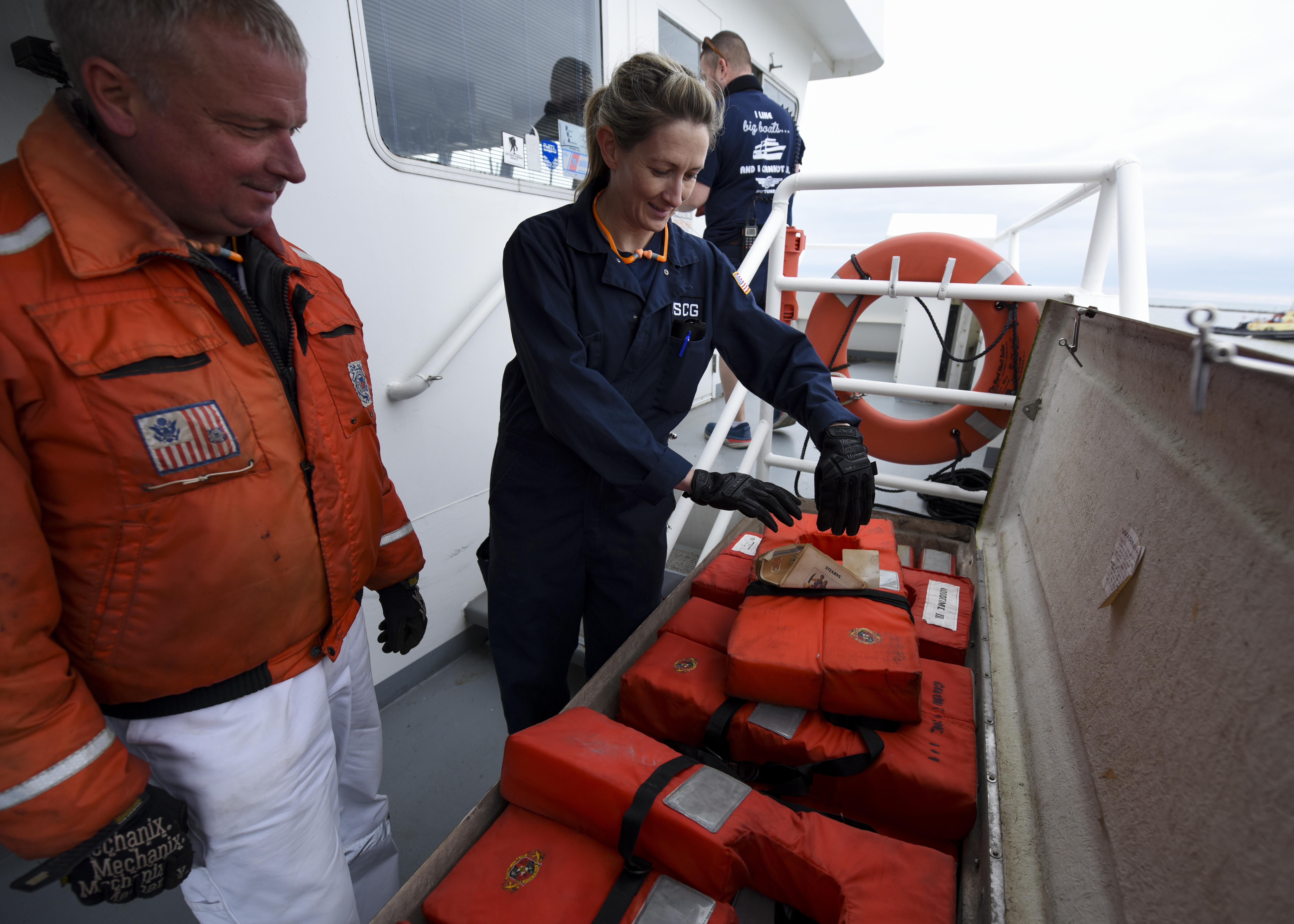
The least useful life jacket on a boat is the one technically aboard but impossible to reach when somebody goes over the side. The U.S. Coast Guard’s message is more practical than simply counting personal flotation devices: the equipment has to be appropriate for the wearer, remain in serviceable condition and be available when the emergency happens.
Seconds are the reason wearing beats searching
The Coast Guard’s life-jacket guidance emphasizes how quickly boating accidents can unfold. A collision, capsize or unexpected fall overboard does not usually include a convenient pause for everyone to open a compartment, remove packaging, find the right size and adjust straps.
That is why the agency encourages wearing an approved life jacket while underway. The difference between carrying a PFD and already wearing one can become important in the first seconds of an emergency, especially when the person in the water is surprised, injured or separated from the boat.
A life jacket is not useful because it passed inspection at the dock. It is useful because it is ready for the person who needs it when conditions stop being routine.
Fit is part of readiness
An adult-size life jacket is not a substitute for a properly fitted child’s device. The same applies to adults whose size falls outside the range shown by the manufacturer. A jacket that is too loose can ride up or fail to stay positioned correctly, while one that is too small may not fasten or perform as intended.
Before the boat leaves, match each person with an appropriate device and have them try it on. Secure every closure and check that the jacket stays where it should when the wearer moves. Do not wait until rough water to discover that the only available child-size jacket no longer fits the child who used it last season.
This is also a reason to recheck guest gear. A boat that is normally set up for two adults may need a very different collection of sizes when children, larger guests or additional passengers come aboard.
Condition matters just as much as fit
Life jackets live hard lives. They get wet, compressed into lockers, exposed to sun, stepped on, covered with salt and sometimes ignored for months between trips.
Inspect fabric, straps, buckles, zippers and flotation material. A device that is torn, badly deteriorated or missing working closures should not be treated as emergency-ready simply because it is still physically on the boat.
Inflatable PFDs also have service components that require routine attention. Follow the manufacturer’s instructions for inspection and maintenance rather than assuming an inflatable is ready because the outer fabric looks fine.
Make the equipment check part of normal boat preparation. It is easier to replace or service a questionable jacket before launch day than to debate its condition once the boat is already loaded.
Accessible should actually mean accessible
A locker buried under coolers, tackle bags, dock lines and camping gear may satisfy somebody’s mental inventory of “life jackets are aboard,” but it is a poor emergency plan.
Store PFDs where they can be reached quickly and make sure everyone aboard knows where they are. If jackets are kept inside a compartment, do not pack the day’s heaviest gear on top of that compartment and then assume the equipment is accessible.
For visitors who do not know the boat, a quick safety briefing helps. Show them where the jackets are, which one is theirs and how to put it on. That takes far less time than trying to explain the storage layout during an emergency.
Carriage rules and good practice are not the same question
Federal carriage requirements depend on vessel and activity, and state rules can add requirements of their own. The Coast Guard’s boating safety FAQ is a useful starting point for checking current federal guidance, but boaters should also verify the rules that apply where they are operating.
Meeting the legal minimum and being prepared are related but not identical goals. A boat may technically carry the required number of approved devices while still being poorly prepared if the jackets do not fit the people aboard or are buried where nobody can reach them quickly.
Compliance answers whether the required equipment is present. Readiness asks whether that equipment can actually help in the situation it was meant for.
Children deserve a separate check
Kids grow quickly, and last year’s jacket may not be this year’s jacket. Check the manufacturer’s size information before the season starts and again when a child has grown noticeably.
Do not assume that a child who can swim well needs less attention. An unexpected fall into cold, rough or moving water is different from swimming in a pool. The life jacket should fit before the child steps aboard.
If the trip includes several children, label or organize their jackets so the right size is easy to find rather than creating a last-minute pile of similar-looking PFDs.
Think about the activity, not only the boat
Fishing, paddling, towing, sailing and operating personal watercraft can put people in different positions and expose them to different risks. The appropriate PFD should match the activity as well as the wearer.
That is another reason not to buy one generic set of jackets and forget about them for years. As the way a boat is used changes, the safety equipment should be reviewed too.
Make the dock check simple
A useful pre-departure routine takes only a few minutes:
- Count the people aboard.
- Match a serviceable life jacket to each person.
- Check that the sizes and closures are appropriate.
- Make sure the jackets are immediately accessible.
- Decide which jackets should already be worn before the boat leaves.
- Show guests where the equipment is and how to use it.
Then repeat the inspection during the season instead of treating it as a one-time spring task.
The better standard is readiness
The Coast Guard encourages wearing approved life jackets because accidents can happen quickly. That is the core idea behind the rest of the checklist too.
A life jacket should not be a box checked somewhere beneath the deck. It should fit the person, be in good condition, be available without digging through gear and, when the situation calls for it, already be on the wearer.
Before leaving the dock, count people, match sizes, inspect the equipment and decide who should be wearing a PFD from the start. Compliance matters, but readiness is the standard that makes the equipment useful when seconds count.
RECOMMENDATIONS
All About The Life designs from Texas Thread Theory, inspired by the places you go and the stories you bring back.

Make A Story Worth Telling
A scenic vintage-inspired design that encourages you to “Make A Story Worth Telling.” Mountains, water, sunset, and tropical details give it an adventurous feel that’s perfect for travelers, explorers, and anyone who wants a life filled with moments worth remembering.