A cooler full of steaks is obviously bear food. A tube of toothpaste does not feel like bear food at all. That distinction makes sense to a person and means very little to a bear following its nose into a campsite. In bear country, the safer way to think is not “Is this edible?” but “Does this smell interesting enough to investigate?”
Your bathroom bag can belong on the food-storage list
Forest Service food-storage guidance can define attractants much more broadly than groceries. Depending on the local order, trash, pet food, scented toiletries and other odorous items may need the same secure storage you would give a cooler.
That can surprise campers who carefully lock up dinner but leave toothpaste, deodorant or a toiletry kit in a tent. The human logic is that nobody plans to eat those items. The wildlife-management concern is the odor and the possibility that a bear learns campsites are places worth checking.
Before a trip, read the food-storage language for the forest or district you are actually visiting. The U.S. Forest Service’s bear-attractant guidance shows why the word “attractant” matters more than the narrower word “food.”
Cooking gear can keep advertising dinner
A grill, pan or camp stove does not stop smelling like food when the meal is finished. Grease, drippings, scraps and wash water can remain attractive after dark.
Clean cooking equipment promptly rather than letting it sit beside the picnic table overnight. Secure trash and food scraps, and follow the local rule for storing regulated attractants. If a bear-resistant locker is provided, use it correctly rather than treating it as extra storage while scented items remain elsewhere in camp.
The same thinking applies to coolers. An empty cooler that held food may still carry strong odors. Whether a particular local order requires storing it depends on that order, but from a campsite-management perspective it makes sense to keep recently used food containers from becoming an invitation.
Pet food deserves the same attention
Dogs can make camp feel more secure, but their food and treats create another odor source. Bowls, kibble, training treats and food packaging can all remain around camp after the pet has finished eating.
Do not build a careful human-food routine and then leave the dog bowl beside the tent all night. Include pet supplies in the same end-of-day sweep you use for cooking equipment and trash.
If the local Forest Service order specifically lists pet food or other scented attractants, follow that language. Local requirements can differ, which is why a generic “bear country” checklist should always be paired with the current rules for the place you are visiting.
Hunters have additional attractants to think about
Hunting camp can add harvested game, processing equipment and carcass material to the normal list of campsite odors. These situations deserve extra planning because the amount and strength of scent can be very different from an ordinary weekend campground meal.
The exact legal requirements depend on the managing agency and local order. The practical point is that a harvested animal does not stop being an attractant simply because it is part of the purpose of the trip. Plan where meat, processing gear and waste will be handled before the hunt succeeds, not afterward when everyone is tired and working in the dark.
A clean camp reduces mixed signals
Bear-safe camping is easier when storage, cooking and sleeping areas are treated as separate jobs. Even where local rules do not prescribe a specific layout, avoiding food and strong odors around sleeping areas reduces the number of reasons a bear has to investigate where people are resting.
That also means cleaning up small things. A forgotten snack wrapper in a jacket pocket, spilled drink, greasy paper towel or open trash bag may not look important compared with the main food supply, but the campsite should be managed as a whole.
The goal is not to make camp completely odorless. That is unrealistic. The goal is to avoid teaching wildlife that human camps reliably provide rewards.
Check the rule where you are
Food-storage requirements vary by forest and location. The Forest Service’s Shoshone National Forest visitor guidance, for example, illustrates how local bear-country practices and restrictions are communicated to visitors.
A practice that is acceptable in one district may violate a current order in another. Seasonal conditions, wildlife activity and management decisions can change requirements over time. That makes the local agency page, posted notices and current order more useful than a rule remembered from a previous trip.
If the wording is unclear, contact the ranger district before arrival. A quick question at home is much easier than trying to solve a storage problem at a remote campsite after dark.
Build the storage plan before packing the vehicle
Before leaving, identify which items will need secure storage and make sure the vehicle or campsite setup can actually accommodate them. Food, trash, scented toiletries and pet supplies can take more room than expected when they all need to be managed together.
This is especially important for tent campers and small vehicles. If the trip depends on a bear-resistant container, locker or other approved storage method, confirm what is required and whether the destination provides anything on site.
The practical rule
A simple mental shortcut works well: if it smells interesting, treat it like an attractant until the local rule says otherwise.
That does not replace the official order, but it helps prevent the most common oversight, which is protecting dinner while leaving everything else that smells like camp scattered around. Secure the obvious food, then look again at toiletries, trash, pet supplies, cooking equipment and anything else that carried strong odors during the day.
Bear-safe camping is less about one special container than it is about removing the rewards that teach wildlife to return. A few extra minutes of cleanup and storage can help protect both campers and the bears that live around the places we visit.
RECOMMENDATIONS
All About The Life designs from Texas Thread Theory, inspired by the places you go and the stories you bring back.
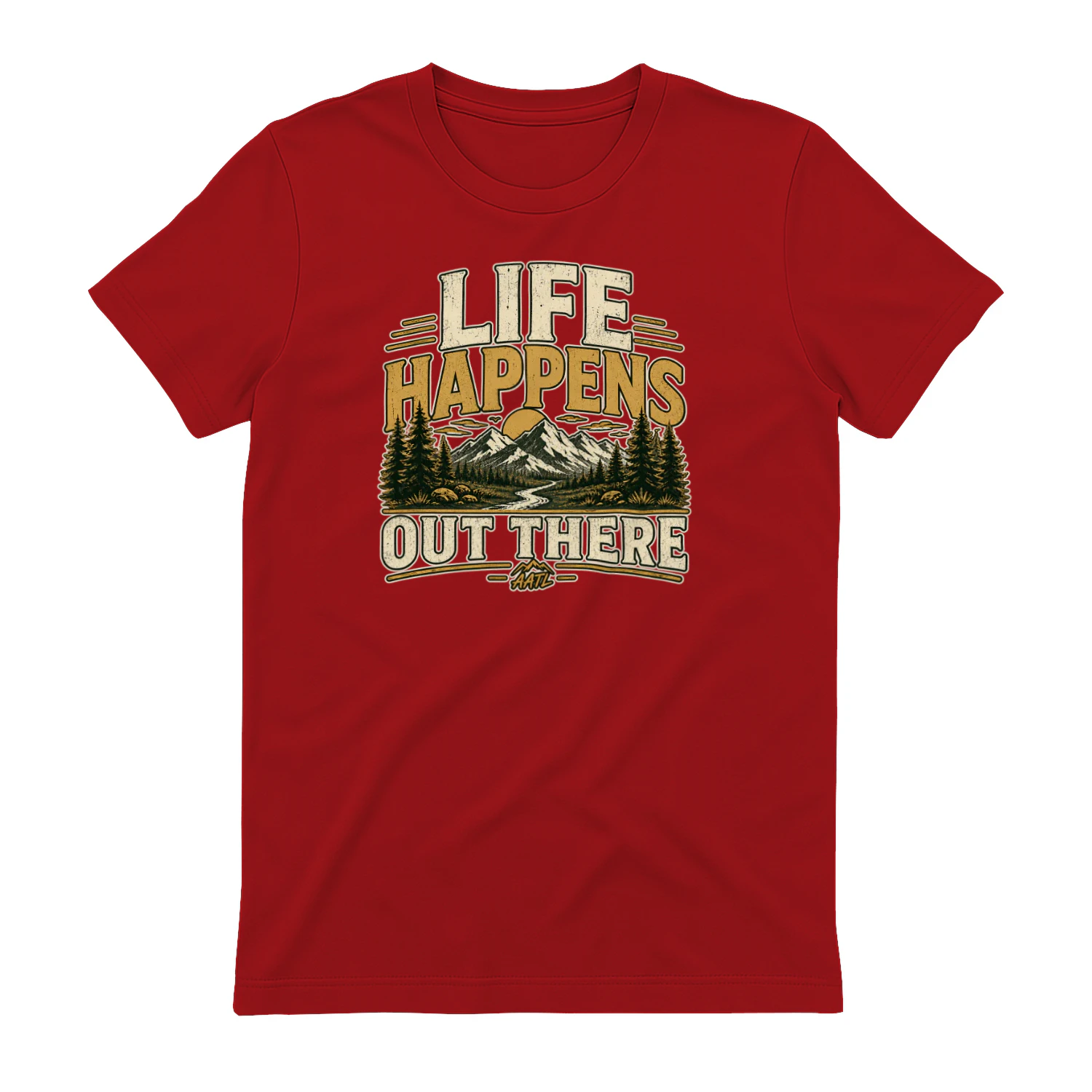
Life Happens Out There
An outdoor-focused AATL design celebrating mountains, forests, hiking, camping, road trips, and the simple idea that life happens when you get out there and explore.