Why Williams became the real starting line
The clearest answer to this video is that it is not just a “we finally made it” travel log. It is a first real destination story where the destination matters less than the way the trip begins to open up once the rig is parked. Williams, Arizona is the summer’s first major stop, with the Grand Canyon close enough to shape every plan, but the real draw here is how quickly the day turns from arrival into activity.
That is what makes the episode work. The crew has spent weeks getting here, and you can feel the release once they roll into town. But instead of treating Williams like a simple layover, they use it as a base: a place to settle, fix, explore, and reroute when needed. The result is a trip that feels very RV-specific. There is the campground, the chores, the gear, the food stop, the friends, the vehicle rental, and then the inevitable surprise that forces a change of plan.
Circle Pines KOA Holiday sets the pace
Circle Pines KOA Holiday is the kind of stop that gives a road trip structure before the sightseeing even starts. The video shows a park with room to breathe, package deliveries waiting, laundry to do, and enough built-in features to make it feel like more than a place to sleep. The crew arrives noticing the practical details first: the site fit, the slide room clearance, the stairs, the leveling, and the dust that comes with long travel days.
That matters because the campground is not presented as a polished postcard. It is presented as a working base. The RV needs to be squared up. The leveling needs attention. The packages need to be gathered. Laundry needs to happen. Daisy needs her bath. Those are the unglamorous parts of getting settled, and the video gives them just enough room to make the adventure feel earned.
The campground also carries a local-travel feel that fits the area. There is a café and pizzeria on site, and there are other activities built into the park, which helps explain why this stop becomes a hub instead of just a parking spot. It is the sort of place where the day can pivot from chores to something unexpected without needing to leave the property.
A cave hike that asks for more than a flashlight
The Lava River Cave hike is the first outing that makes this stop feel like a real adventure destination. It is not treated like a casual walk. The crew heads in with headlamps, warm layers, and the sense that this is going to be dark, rocky, and a little awkward in the best possible way.
That awkwardness is part of the appeal. The video makes it clear that this is not a smooth trail with a tidy path. The footing is uneven, the ceiling drops low in places, and the route demands attention. The friends who join the hike help give it a looser, more social rhythm, but the cave itself keeps everyone honest. It is the kind of place where you watch your step, watch your head, and keep moving because standing still does not help much.
What stands out most is how the hike changes expectations. From the outside, a cave can sound like a quick side activity. Inside, it becomes its own workout. The crew’s reactions capture that shift well: this is fun, but it is also tougher than expected. That combination is exactly why the outing sticks.
The side-by-side plan runs into the road
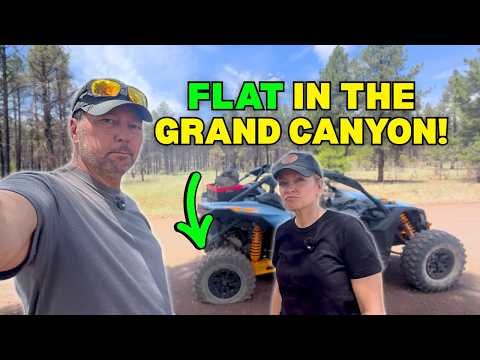
If the cave hike is the planned adventure, the side-by-side outing is the reminder that travel days rarely follow a script. The crew sets out with a clear idea: rent the machine right from the park and take it toward the Grand Canyon South Rim. On paper, that is a great setup. It cuts down on logistics and turns the campground into the launch point for a much bigger ride.
Then the road changes the story.
A tire issue interrupts the route and forces a pause in the middle of nowhere. That moment is important because it shifts the whole tone of the episode. The day stops being about reaching the rim and becomes about solving the immediate problem, calling for help, and deciding what the rest of the outing can still be. It is frustrating, sure, but it also feels true to RV and off-road travel: the plan is real, but so is the terrain.
The video does a nice job of not pretending that a flat tire is a minor detail. It is a genuine interruption. It changes the timeline, changes the destination, and changes the mood. But it does not cancel the day.
Bill Williams Mountain becomes the backup win
The detour to Bill Williams Mountain gives the episode its second wind. Instead of ending the outing on a flat note, the crew pivots to a different climb and finds a payoff that is visual, chilly, and memorable in its own right. The mountain top is a striking change from the lower-country riding, and the cell towers at the summit become part of the scene rather than just background clutter.
This is where the episode lands most strongly. The Grand Canyon ride did not happen as planned, but the backup route still delivers a sense of elevation, weather, and scale. The mountain feels like an earned substitute rather than a consolation prize. That is a subtle but important difference. The trip did not get derailed so much as redirected.
And that may be the best lesson in the video. Sometimes the route you actually get is the one that gives the day more shape than the route you wanted. The flat tire could have ended the momentum. Instead, it creates a story with a middle and an alternate ending.
What this stop says about the rest of the trip
Williams, Arizona comes across as a launchpad, not a finish line. The crew says plenty is still coming: more campground exploration, more friends, mule riding, and sightseeing that will continue to build on this first stay. That future-facing energy matters because it keeps this episode from feeling self-contained. It is a beginning, and a messy one in the best sense.
For viewers, the useful takeaway is simple. If you are headed to this area in an RV, the appeal is not only the Grand Canyon itself. It is also the ability to use Williams as a practical base for hiking, off-road rentals, campground amenities, and shorter side trips that still feel like part of the bigger landscape.
This episode also shows why a destination stop can be more interesting than the label on the map suggests. Williams is a gateway town, yes, but in this video it behaves like a full trip environment: part campground logistics, part cave hike, part off-road outing, part improvised recovery mission. That mix is what gives the feature its shape.
Watch the original video: https://www.youtube.com/watch?v=1pVI1ngDVDE
RECOMMENDATIONS
All About The Life designs from Texas Thread Theory, inspired by the places you go and the stories you bring back.
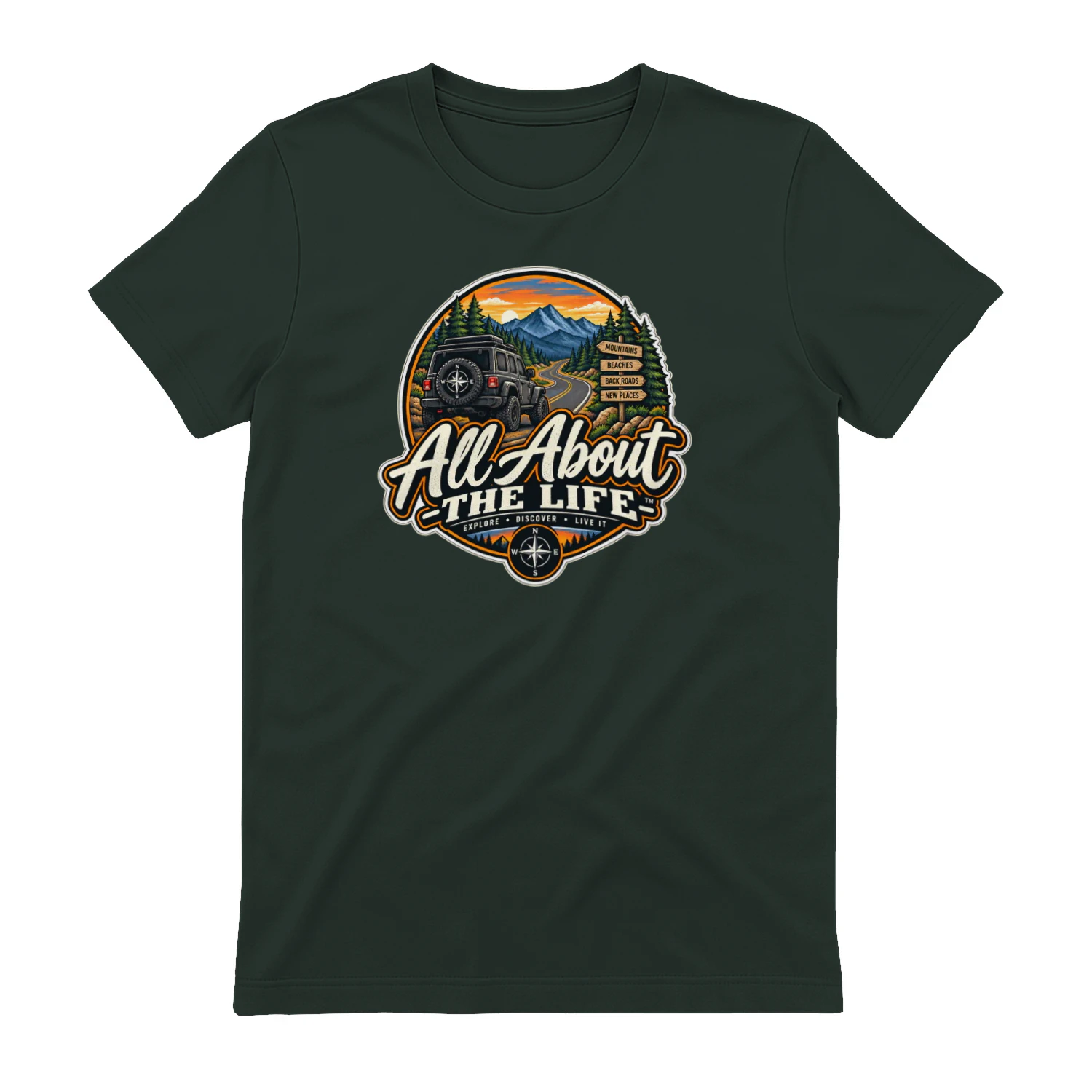
All About The Life Road Trip SUV Badge
A retro All About The Life road-trip badge featuring a rugged SUV, mountain roads, directional signs, and classic compass details. It’s the perfect design for back-road explorers, overlanders, weekend travelers, and anyone who likes their adventures with a full tank and no strict itinerary.