Why this Grand Canyon trip works as a layered story
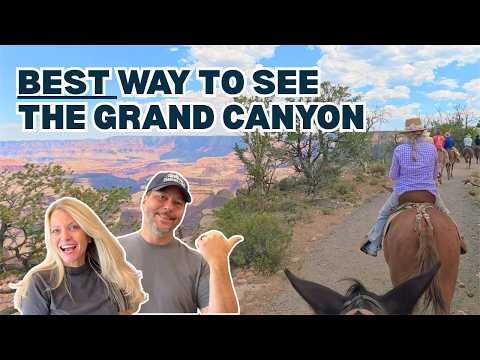
The clearest way to read this video is simple: it is not just a Grand Canyon stop, it is a Williams, Arizona, trip that builds in layers. The campground, the nearby wildlife park, the meals with friends, and the mule ride all push the story in different directions, but they fit together as one compact travel stretch. The direct answer is that the Grand Canyon mule ride is the headline experience, yet the trip works because everything around it gives that ride context.
That matters. A lot of travel videos treat the destination like the whole point and everything else like filler. This one does the opposite. It uses a base camp, a nearby town, and a friend visit to show how a Grand Canyon visit can feel less like a single lookout stop and more like a short lived routine. You eat, settle in, explore, talk with people you know, and then finally head for the rim.
Circle Pines KOA as the home base outside Williams
Circle Pines KOA Holiday comes across as a practical anchor for the whole trip. The video presents it as a large, pine-covered campground just outside downtown Williams, with RV sites, cabins, and a long list of shared amenities. That setup is useful for travelers who want more than a parking spot. It gives the trip a place to breathe.
What stands out is how the campground serves different kinds of travelers at once. The video shows simple camping cabins, glamping tents, teepees, and a larger cabin option, alongside the RV spaces. That mix tells you what the place is really doing: giving people a way to stay close to the Grand Canyon without needing the same setup. If you are traveling in an RV, it works as a base. If you are not, it still gives you a camping feel without requiring you to bring your own rig.
The feature here is not a full review so much as an observation about flexibility. The hosts walk through several of the lodging styles, and each one suggests a different kind of stay. Some are basic and built for simple sleeping. Others have more room, more comfort, or their own outdoor space. That variety makes the campground part of the story instead of just the backdrop.
Bearizona, and the question of rescue versus captivity
Bearizona becomes the most complicated stop in the video, not because it is loud or dramatic, but because it pulls the viewers into a real question about how to read a wildlife park. The drive-through section seems to be the part the travelers respond to most easily. The animals have space, the car stays moving, and the experience feels closer to observing wildlife in a broad habitat than staring at a cage.
The indoor or walk-through areas land differently. The reaction in the video is honest: the group likes the drive-through portion more, and they are less settled by the animals kept inside. That tension is part of what makes the segment worth thinking about. The footage does not flatten the park into simple praise or criticism. It leaves room for uncertainty.
The one thing the transcript does make clear is that some of the animals are rescues, including two baby deer mentioned in the conversation. The creator description also frames Bearizona as a place that includes genuine rescue animals alongside animals involved through zoo breeding and transfer programs. The companion feature should stay grounded there and not guess beyond it. What matters for the video is the way that rescue context changes the conversation. It is no longer just “animals on display.” It becomes a discussion about why some animals can’t go back to the wild and what a facility like this is trying to do with that reality.
Why the mule ride changes the pace at the South Rim
If the campground is the base and Bearizona is the side trip, the mule ride is the trip’s main physical and emotional shift. The Grand Canyon South Rim does not arrive as a passive viewing experience here. It arrives through rules, briefing, waiting, transport, and a ride that demands attention.
That structure matters because it changes the pace of the whole day. The ride begins with check-in and a shuttle out to the mule staging area. There are instructions, gear requirements, and a noticeable amount of preparation before anyone even gets moving. The video makes that clear without turning it into a lecture. You can feel that this is not a casual tourist loop. It is a managed trail ride with a lot of safety-minded structure behind it.
Once the riders are out along the East Rim Trail, the setting takes over. The canyon views are the obvious draw, but the ride is also about how the animals move through the terrain and how the guides keep the group together. The transcript emphasizes the mule behavior, the need for attentiveness, and the way the trail alternates between rim views and wooded stretches. That combination gives the experience its shape. It is not a scenic overlook from a distance. It is an hour-by-hour encounter with the landscape.
The video also makes a useful distinction between the lighter and more serious parts of the ride. There are moments of joking and visible nerves, but there is also a real respect for the wranglers, the animals, and the route. The ride feels memorable precisely because it is structured, not because it is carefree.
Friend time, campground routines, and the small details that stick
One of the best things about this trip is that it keeps folding in ordinary moments. Dinner at dog-friendly restaurants, breakfast at the campground cafe, time with college friends, and even a first try with the secret folding table in the RV all add texture. None of these moments is the main event on its own, but together they make the trip feel lived in.
That is especially true of the friend visit. Becky and Matt are not introduced as random guests; they are long-time friends with history, and the video lets that history show up naturally in conversation and joking. Their cabin stay becomes another example of why the campground works as a social base. People can come, stay nearby, and be part of the trip without everyone needing the same setup.
The small RV details matter too. The folding table becomes a practical little victory, the kind of thing that RV travelers notice because it changes how the day works. The same is true of the dog-focused routines, where Daisy is treated as part of the travel equation rather than a background pet. Those details help explain the tone of the whole video. This is travel as a series of logistics, meals, and shared moments, not just scenic content.
What this video leaves you with
The strongest takeaway is that a Grand Canyon trip can be shaped by everything around the canyon. Williams gives it a town. Circle Pines KOA gives it a base. Bearizona gives it a wildlife stop with some real ethical questions attached. And the mule ride gives it the kind of memorable, physically grounded experience that stays with you after the views fade.
So if you came looking for a simple South Rim highlight reel, this video gives you something better organized than that. It shows how a short trip can feel complete when the travel rhythm is right.
Watch the original video: https://www.youtube.com/watch?v=nZMLcxmN8LI
RECOMMENDATIONS
All About The Life designs from Texas Thread Theory, inspired by the places you go and the stories you bring back.
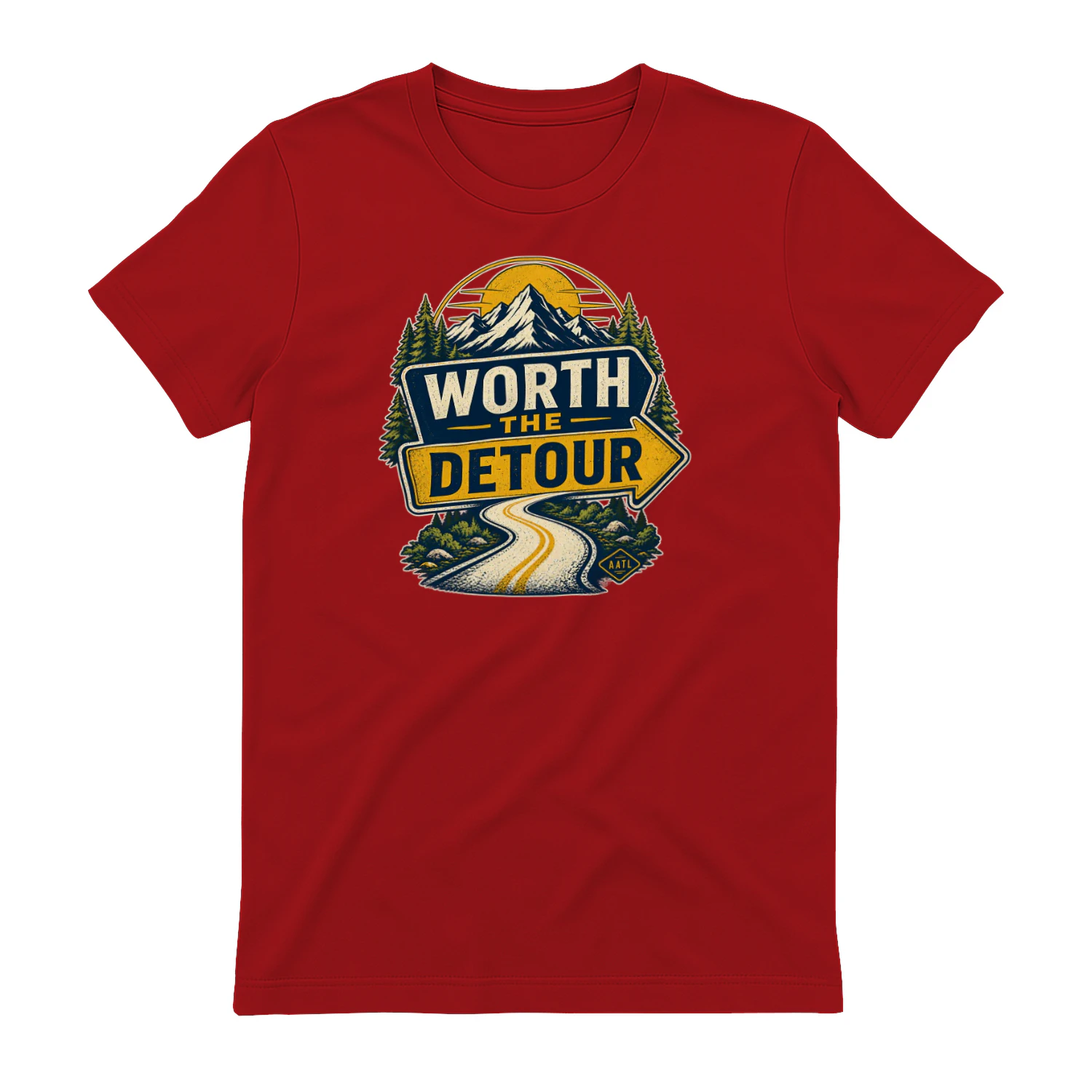
Worth The Detour
A road-trip-inspired AATL design for scenic routes, mountain drives, back roads, and the unexpected stops that become the best part of the trip.