Why this Maine trip starts with seafood fatigue
The clearest read on this video is simple: Bluegabe and the crew are not just visiting Maine, they are trying to live inside it for a few days, and that means eating, fishing, hiking, and hanging around the people who actually work the water. The direct answer is that the video is a Maine companion feature built around a family stay that moves from lobster overload to a fish market stop, then to a mountain hike, a lake fishing contest, and finally an 8-year-old checking lobster pots on his own little boat.
That mix is what gives the video its shape. It is not a straight fishing episode and not a straight food video either. The fun is in how the trip keeps changing gears. One minute the crew is joking about being tired of lobster and crab. The next they are standing in a fish market looking at cod, haddock, scallops, mussels, oysters, and all the other seafood that makes a Maine market feel like a place with its own language.
A fish market tour that turns into a taste test of the coast
The fish market section works because Bluegabe treats it like a real curiosity stop, not a quick shopping errand. He reacts to the sizes of the lobsters, notices the different seafood on display, and talks through what he wants to bring home. That gives the viewer something better than a haul shot. It turns the market into a snapshot of what is available when you are this close to the water and surrounded by people who live with seafood every day.
A big part of the appeal is the variety. The market is not just lobsters, even if lobsters are the obvious headline. Bluegabe walks through the options and ends up buying a trio that feels like a classic seafood-platter move: cod, haddock, and scallops. That choice says a lot about the video’s tone. He is willing to branch out, but he is still leaning into familiar comfort food shapes. It is the kind of purchase that makes sense when the plan is to freeze it, haul it home, and cook it later.
He also notices the little details that make the market memorable, like the rolls for lobster rolls and even the sight of smoked mussels. Those observations help the video feel grounded in place without turning into a checklist. It is a stop that gives context to the rest of the trip: this is a state where the seafood is not an add-on. It is part of the rhythm of the day.
The mountain hike changes the pace of the day
The hike up Schoodic Mountain gives the video a completely different kind of energy. After all the food talk and the lake-house chatter, the climb forces the story into a quieter, more physical register. Crystal and Sierra carry the babies up the mountain, and Bluegabe frames it as a hard climb that is absolutely worth the view.
That matters because the hike does more than show scenery. It shows how the trip is being shared. People are carrying kids, stopping to look out over the lake, and talking about what they can see from the top. It is the kind of stretch that would be easy to treat as a transition, but in the video it becomes one of the most memorable pieces because it has a destination with emotional payoff. The mountain view is tied to family effort.
The mountain also gives the viewer a stronger sense of the setting. The cabin, the lake, the islands, and the surrounding peaks are not just background. They are part of the reason the trip feels self-contained. The video keeps returning to the same geography from different angles: from the lake house, from the trail, from the top of the climb, and later from the water again.
Smallmouth fishing becomes a friendly scoreboard
The lake fishing section is lighter and more playful, but it still gives the video a nice competitive edge. Bluegabe is honest about being new to smallmouth bass in that lake, and he leans on advice from others before going out with Easton. That detail helps because it keeps the fishing from sounding effortless. He has to learn what works there.
Easton immediately becomes the surprise of the sequence. He talks trash, catches fish, and turns the whole outing into a kid-versus-adult challenge that Bluegabe clearly enjoys. The stakes are modest — a rod and reel is on the line — but the dynamic matters more than the prize. The fun comes from watching a younger angler prove he knows the water better than the guy with the bigger camera presence and more fishing gear.
The footage also captures the kind of fishing that feels most alive in these videos: one person casting, one person teasing, one fish setting off a scramble, and the background filled with lake-life noise. Bluegabe’s reaction to the smallmouth is less about technical breakdown and more about the moment itself. The fish are strong, the setting is beautiful, and the back-and-forth gives the segment personality.
Why the lobster-pot segment lands hardest
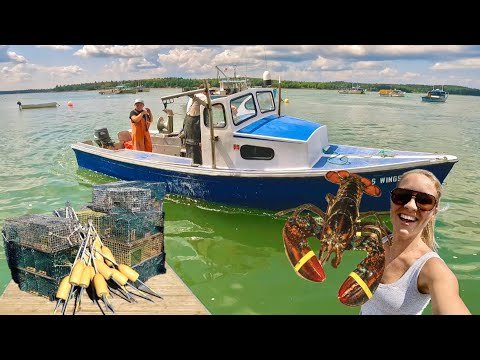
If the rest of the video establishes mood, the final lobster-boat segment gives it meaning. This is where the story stops being about visiting Maine and becomes about seeing how Maine actually works for a kid who lives there. Bluegabe explains that Easton is only 8 years old and is already allowed to check lobster pots, which immediately reframes the whole trip. This is not staged tourist fishing. It is real local routine, just happening in a smaller boat and on a smaller scale.
That is why the segment feels so special. Easton’s hand-me-down lobster boat, the noise of the motor, the traps, the bait, the hauling, and the hard work of checking what is in each pot all create a sense of place that the earlier sightseeing could only hint at. Bluegabe clearly wishes he had been on the boat from the beginning, and that reaction is useful because it tells the viewer exactly what he values in the footage: small boats, kids fishing, and the kind of outdoor responsibility that comes with growing up around working water.
The detail that Easton is checking his own 10 pots gives the episode a strong anchor. It is not a generic lobster-trip clip. It is a look at a kid learning the job early, with family nearby and enough confidence to run the process without it being treated like a novelty.
A cook-up that brings the trip back to the table
The back half of the video closes the loop in a satisfying way. Bluegabe takes the seafood home, freezes it, and later cooks it up with batter, oil, sauces, and collard greens. That kitchen stretch matters because it connects the fish market to the plate without overexplaining anything. The point is not chef theatrics. It is that the day’s seafood ends up feeding the family in the most direct way possible.
The meal also keeps the tone loose and lived-in. Kids come and go, plates get messy, and the food becomes part of the home scene rather than a polished finish. That fits the rest of the video perfectly. From the mountain to the lake to the lobster traps, the whole trip feels like a series of ordinary but memorable Maine moments tied together by food and family.
What makes the video work is that it never settles for one lane. It is travel, fishing, food shopping, family time, and local knowledge all at once. The strongest through line is not lobster, even though lobster is everywhere. It is the way the trip lets a kid’s working day, a parent’s curiosity, and a family meal all share the same frame.
Watch the original video: https://www.youtube.com/watch?v=KLcIklA99So
RECOMMENDATIONS
All About The Life designs from Texas Thread Theory, inspired by the places you go and the stories you bring back.
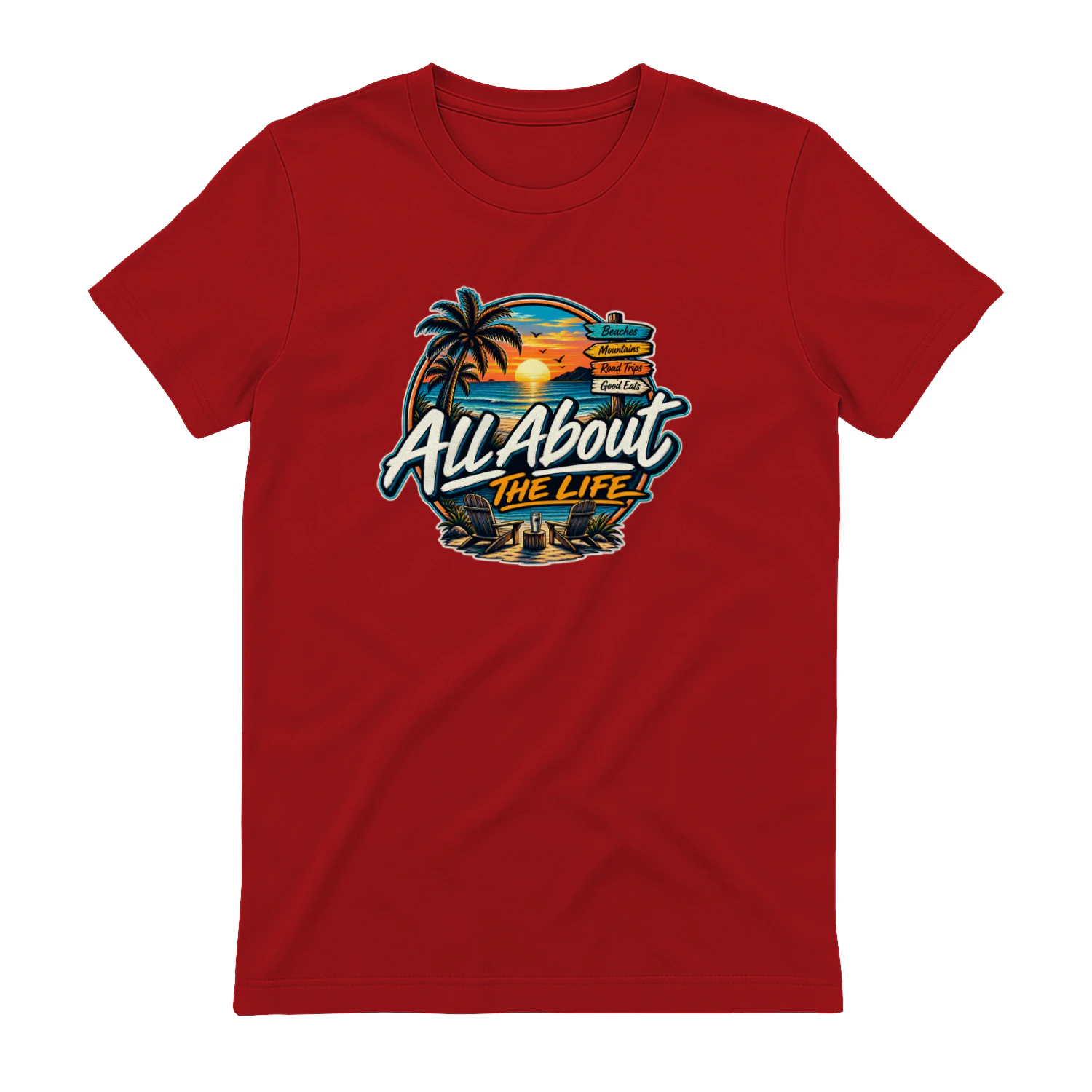
All About The Life Beach Signpost Badge
A tropical All About The Life travel badge featuring a glowing sunset, beach chairs, ocean scenery, and a signpost pointing toward Beaches, Mountains, Road Trips, and Good Eats. It’s a celebration of all the different ways to get out, explore, eat well, and enjoy the good life.