The shot paid off after a long setup
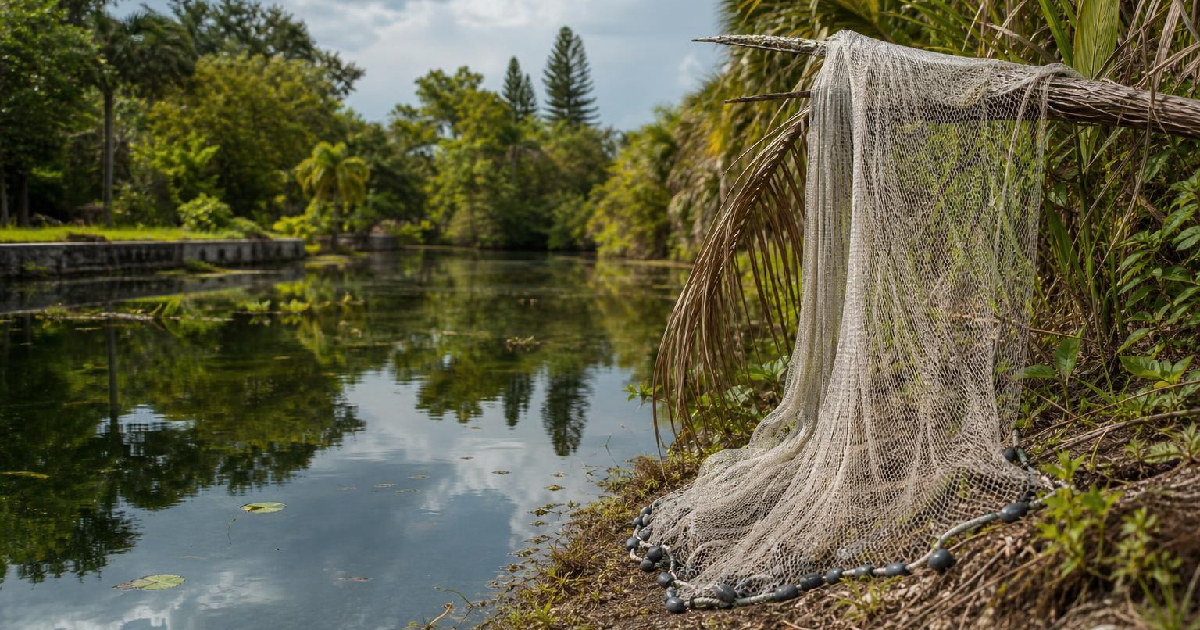
The clearest way to understand this video is that it is not just a hog hunt. It is a payoff after a lot of waiting, adjusting, and trying again. Bluegabe says the crew had already crossed the canal, hung a tree stand, trimmed trees, and spent multiple attempts getting the setup right before Jake finally made the shot. That matters because the harvest is treated less like a one-off lucky moment and more like the end of a long string of decisions that had to line up before sunrise.
The hunt also depends on patience in a very literal sense. The hog had been difficult to pattern, the wind had been a problem before, and even a vehicle driving too close could push the animals off for days. In that kind of setup, the shot is only part of the job. The real challenge is creating a situation where the hog shows itself at all, then waiting for the right angle instead of forcing the issue.
Why this hog stood out from the usual hunt
Bluegabe makes it clear that this was not an ordinary animal from the start. It was a bar hog, and the video keeps returning to just how unusual its size and teeth were once they got close enough to inspect it. He had only ever seen the hog on trail camera before the harvest, which adds to the feeling that this animal had become almost a private legend on the lease.
That trail-camera familiarity also changes the tone of the hunt. The group was not simply shooting at a random hog that happened to wander through. They were after a specific animal they had been watching, trying to outthink conditions that kept spoiling earlier attempts. By the time Jake made the shot, the video had already framed the hog as something they had worked for, not just something they found.
Getting a 282.7-pound animal loaded is its own hunt
The hardest part of the morning may have come after the shot. Bluegabe expected the hog to weigh around 150 pounds and then found out the hard way that it was much heavier than that. Once they got close, they could see the teeth, the damage to the mouth, and signs that the animal had been caught by dogs in the past. They also noticed that the hog had been cut, which is part of why Bluegabe keeps calling it a bar hog.
That is where the video shifts from hunting to practical problem-solving. There is no winch on hand, no easy lift, and no clean path back to the side-by-side. Instead, the crew improvises with rope and muscle, trying to get the animal loaded without breaking the teeth off. The loading sequence is messy, tiring, and honest. It is the kind of work that rarely looks dramatic from far away but feels endless when you are the one doing it.
Bluegabe even says out loud that he almost gave up and called for help. That line matters because it shows the difference between the image of a successful hunt and the actual labor that comes right after. The harvest is not done when the animal drops. It is done when the animal is secured, hauled out, and ready for the next step.
From processing table to breakfast sausage
Once the hog is out of the field, the video becomes a food story. Bluegabe explains that the meat is going to Big Ed the butcher shop, where it will be processed in ways that deer meat usually is not. That becomes one of the more useful parts of the feature: wild hog meat is not treated as a novelty so much as a practical ingredient with options.
When the finished meat returns, the table is stacked with sausage, backstrap, tenderloin, and other cuts. The names are specific enough to show how much the processing changed the carcass from field to kitchen. There is bratwurst with cheddar, country pork sausage, and jalapeño-and-cheese sausage, along with backstrap and tenderloin. The family starts sampling the sausage right away, and the reaction is simple: it tastes good.
That small kitchen sequence gives the whole hunt a sense of completion. The effort in the woods, the work of getting the hog out, and the trip to the butcher all point toward this moment at the table. It is not framed as fancy cooking. It is framed as making the most of an animal that took a lot to harvest and a lot to process.
The spear experiment that didn’t go as planned
The video is not satisfied with one kind of hunting challenge. Later on, Bluegabe tries a different approach with a Slockmaster spear, attached to his GoPro, and heads back out to try something he has never practiced. That detail is important: he openly says he has not trained with the spear and is hoping his aim is right.
The attempt ends with the spear striking close enough to the hog to spook it, but not enough to finish the job. Bluegabe is candid about the result. He says the spear smacked the animal and made it jump, and he recognizes that the setup was probably not ideal. He even wonders whether the spear would have worked better from the ground, which gives the sequence a rare kind of honesty. The point is not that every idea succeeds. The point is that trying something new sometimes teaches you exactly how much practice you still need.
That later segment also keeps the video from becoming too tidy. The morning hog hunt works. The spear hunt doesn’t. Both are part of the same creator mindset: keep learning, keep adjusting, and keep going back out.
What the video says about persistence
If there is one thread tying the whole video together, it is persistence without pretending the process is easy. Bluegabe and Jake had already failed enough times on the main hog to understand how much weather, scent, and access matter. They also knew that if they blew the setup, the animals could disappear for days. That pressure gives Jake’s shot real weight.
The same attitude shows up in the loading, the processing, and even the missed spear attempt. There is no attempt to make the day sound effortless. Instead, the video keeps returning to the same truth: hunting is often a chain of awkward, physical, imperfect steps, and the satisfaction comes from getting through them one by one.
By the end, the hog is more than a trophy and the sausage is more than dinner. They are proof that the work held together long enough to matter. And that is why this video lands the way it does: not because everything went perfectly, but because enough of it finally did.
Watch the original video: https://www.youtube.com/watch?v=IpzcZw_oyY4
RECOMMENDATIONS
All About The Life designs from Texas Thread Theory, inspired by the places you go and the stories you bring back.
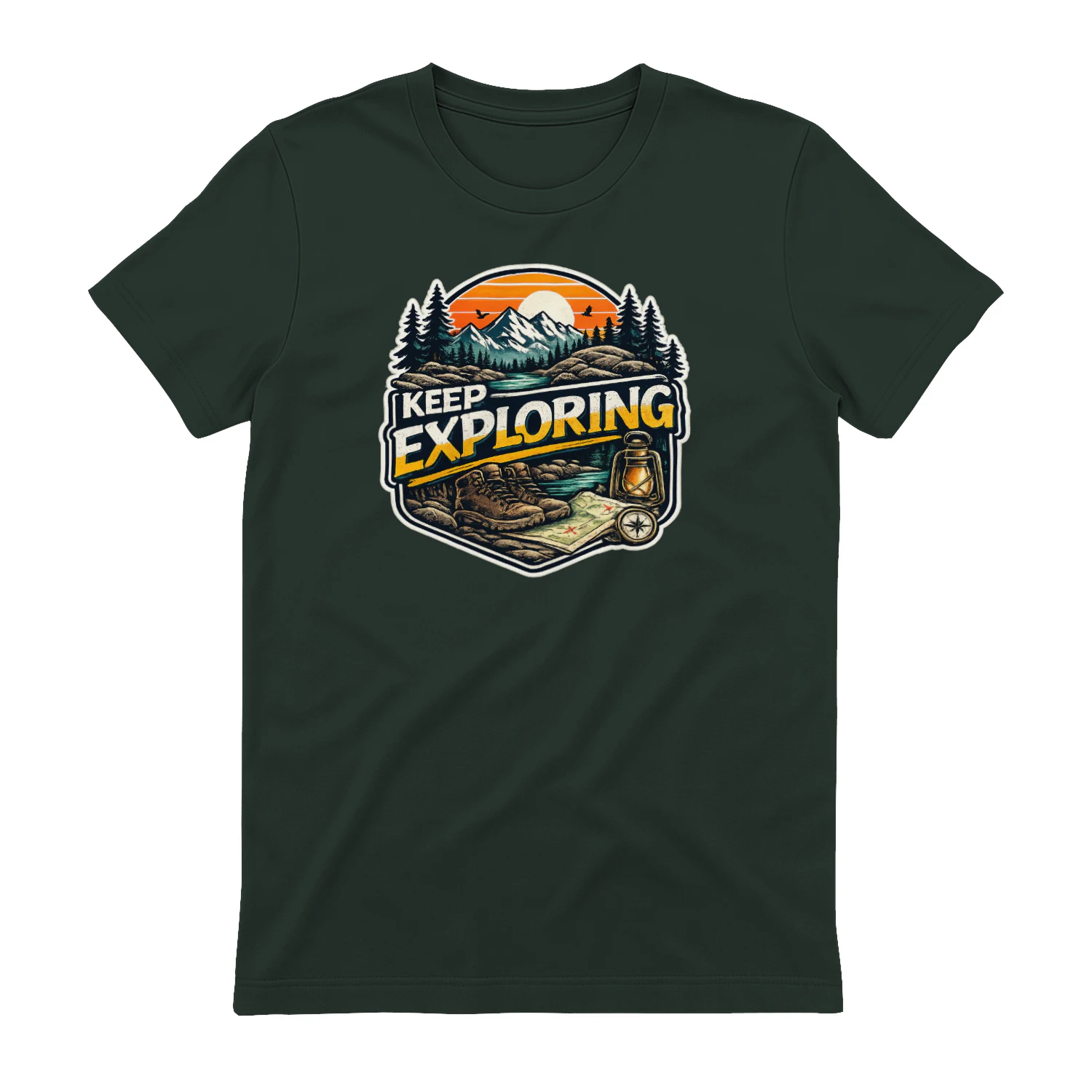
Keep Exploring Badge
A vintage outdoor badge centered on one simple message: “Keep Exploring.” With mountains, evergreens, a river, hiking boots, lantern, map, and compass details, it’s made for hikers, campers, travelers, and anyone who is always curious about what’s around the next bend.