The Tight Window That Shapes the Whole Run
The plain answer is that this Bahamas fishing trip is about squeezing a lot into very little time. Bluegabe leaves with Jake for a quick run that has to fit school, weather, customs, and the long haul back home. That pressure is there from the start, and it gives the whole video its shape. This is not a lazy drift offshore or a long holiday with endless options. It is a working trip, packed carefully and timed around the kind of decisions boaters make before the first mile is even behind them.
That matters because the video is built on real constraints. Jake can’t just disappear from school for a full day, so the departure gets trimmed and the schedule becomes part of the story. There is also a storm system to think about, plus a narrow window to get across, clear customs, and still fish the same night. The trip feels like a race against the clock without ever becoming frantic. Instead, it turns into a study in how much planning goes into making a short adventure feel complete.
Crossing Loaded Heavy and Watching the Weather
Before the crossing even gets underway, the boat is stacked with the practical stuff that makes a trip like this possible. The coolers are loaded, the bait is sorted, the rods are packed, and extra water, food, dive gear, ice, and communication gear all have to find their place. Bluegabe makes a point of showing how much is going into the boat, and that tells you something important: this isn’t just about getting there. It’s about getting there prepared enough to stay flexible.
The weather adds the other layer. Bluegabe is watching storms, radar, and the route line to the bank in the Bahamas, trying to thread a path that keeps the trip moving without getting pinned down by lightning or rough water. The crossing itself becomes a series of small decisions—when to run, when to slow down, when to adjust heading, when to stay patient and let a storm pass instead of forcing the issue. That kind of problem-solving is the backbone of the whole trip.
There is also a clear family rhythm to the work. Jake has been helping at the boat ramp since he was young, and the video keeps showing that kind of learned competence: loading gear, handling lines, getting the boat ready, and staying useful instead of just riding along. It gives the trip a different feel from a solo run. The father-son part is not just emotional framing; it’s part of the logistics.
Why the First Night Matters Before the Fishing Starts
By the time they get in, the day has already taken some turns. The route gets pushed around weather, the run takes longer than planned, and the evening becomes about getting settled before anything else. They stay at Jolly’s, unload, eat, and get ready for the next day’s fishing. That overnight stop does a lot of work in the story. It marks the line between the hard travel and the part everybody came for.
What stands out is how fast the trip moves from setup into food, company, and recovery. Fresh lobster tails hit the grill, steaks get cooked, and the room becomes part of the experience rather than just a place to sleep. The camera doesn’t linger on luxury. It lingers on convenience, routine, and the pleasure of being somewhere familiar enough that the rhythm is easy. The Bahamas are clearly special to Bluegabe, but he tells the story like someone who knows the place through repetition, not a first-time visitor looking for postcard moments.
Chasing Mutton, Conch, and a Better Rhythm
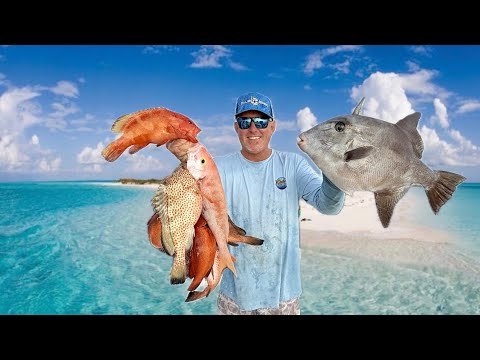
The next day is where the trip becomes more obviously about fishing and spearfishing, but even then it’s not a clean, easy success. Bluegabe and Jake are after mutton, and they spend time chasing conch for bait, trying different spots, and working through a bite that never really gives them a simple answer. They do catch a mutton eventually, but the path to it matters more than the single fish. The video keeps returning to the idea that the water has its own rhythm, and the crew has to keep adjusting until they find it.
That same pattern shows up underwater. Jake shoots hogfish and a lobster, and Bluegabe ends up talking about how far they swam and how dead one area seemed compared to what they were hoping for. There’s no attempt to dress it up as a flawless day. It’s a real fishing-and-diving day: some success, some dead water, some movement, some waiting, and a lot of trying to solve the puzzle of where the fish actually are.
The food side of the trip is tied to that same practical mindset. Conch gets turned into ceviche with lime, onion, peppers, seasoning, and a little orange sweetness from Sunny D. Hogfish gets cooked simply, and the whole thing is treated as part of the reward for the work rather than a separate event. This is the kind of catch-and-cook that makes sense because the ingredients came from the same day’s effort.
When the Trolling Motor Fails, the Trip Changes
The biggest disruption in the video is mechanical: the trolling motor stops working. Bluegabe makes it clear that this is not a small annoyance. The boat is in the middle of a trip where mobility matters, and suddenly one of the main tools for getting around the fishing grounds is out. That kind of problem changes the entire feel of a day on the water. It also explains why the crew keeps shifting plans, moving around, and relying on local knowledge.
What’s interesting is how calmly that problem is absorbed into the trip. The failure doesn’t become the whole story, but it does remind you that these runs are never just about what a plan says on paper. A boat trip like this is always being negotiated with weather, gear, tide, and whatever else decides to break or drift off schedule. The ability to keep going is what makes the video feel credible.
And it’s also where the Bahamas setting shows its character. The clarity of the water, the cut routes, the flats, the reef edges, the fuel dock, the barges, the local stops—these are all part of a place where marine life, navigation, and daily supply lines are tightly connected. Bluegabe doesn’t turn that into a lecture. He lets it show up naturally through movement, conversation, and the people helping make the trip work.
What the Trip Says About Fishing the Bahamas With Family
What lingers after the catches and the cooking is the family dynamic. Jake is not treated like a tagalong. He is treated like part of the crew. He helps at the ramp, helps with the boat, catches fish, spears underwater, and even handles a first-time loading situation on the return like he’s been doing it for years. That matters because the video is really about passing along competence as much as it is about sharing a destination.
There’s also a nice honesty in the way Bluegabe talks about what he misses. He wishes Crystal and the younger kids were there. He talks about home. He talks about the drive to keep editing, keep fishing, and keep the channel moving. That keeps the video from feeling like a fantasy escape. It feels like a working family adventure, one that has to fit around school schedules, weather systems, equipment, and the reality of getting back to the mainland on time.
If you want the cleanest takeaway, it’s this: the trip works because everybody involved understands that the best fishing days are usually the ones you have to earn. The crossing, the prep, the weather, the gear, the missed bites, the late-night food, the return run, the boat ramp on a holiday—all of it becomes part of the same story.
Watch the original video: https://www.youtube.com/watch?v=_H-JnlaZ91o
RECOMMENDATIONS
All About The Life designs from Texas Thread Theory, inspired by the places you go and the stories you bring back.
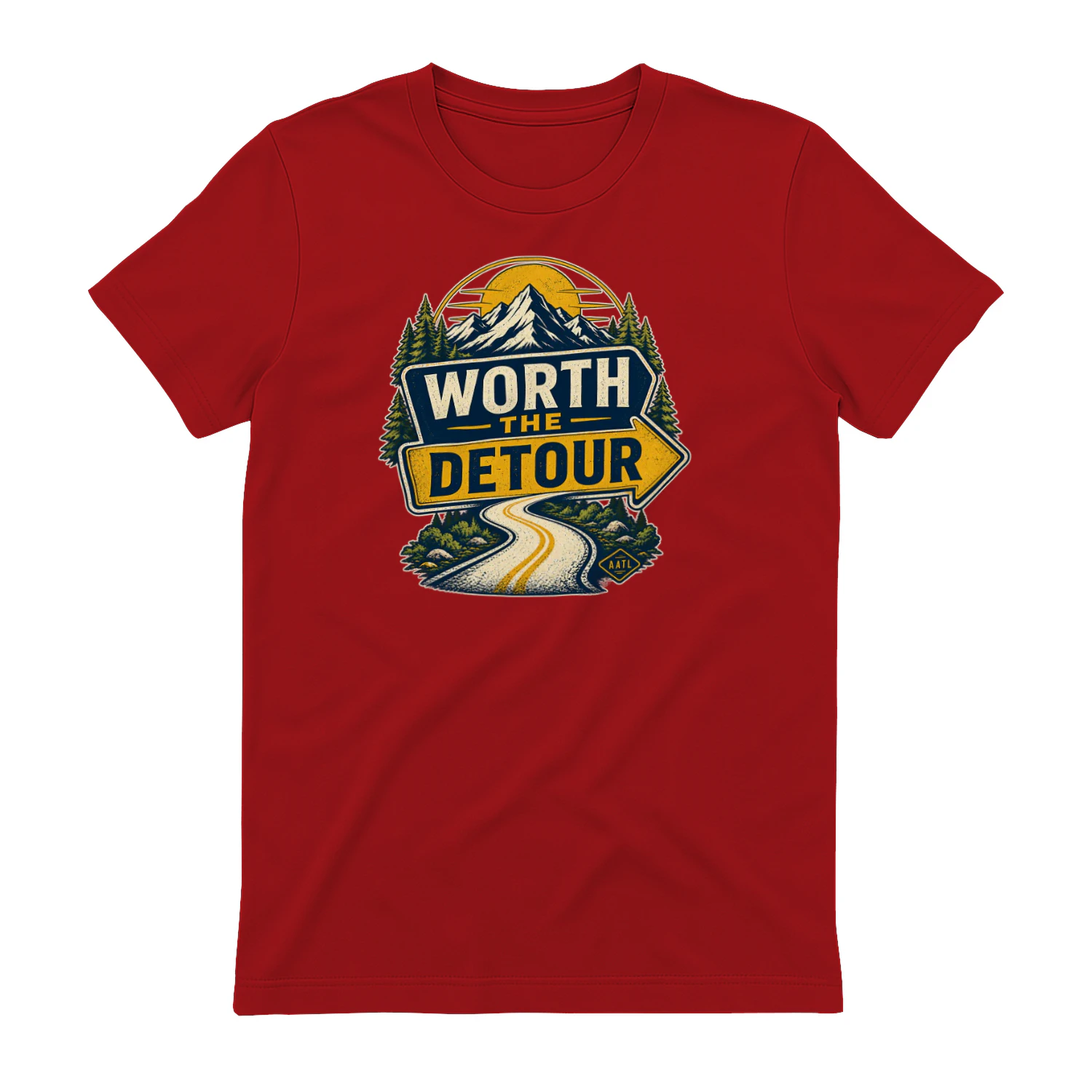
Worth The Detour
A road-trip-inspired AATL design for scenic routes, mountain drives, back roads, and the unexpected stops that become the best part of the trip.