The reunion that carries the whole trip
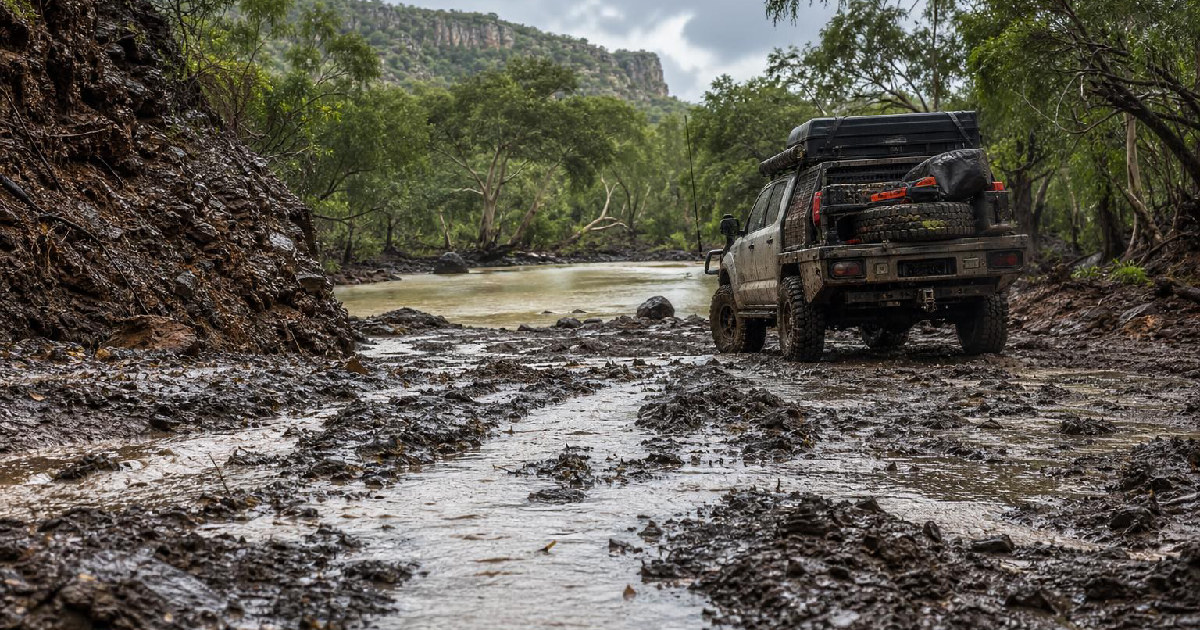
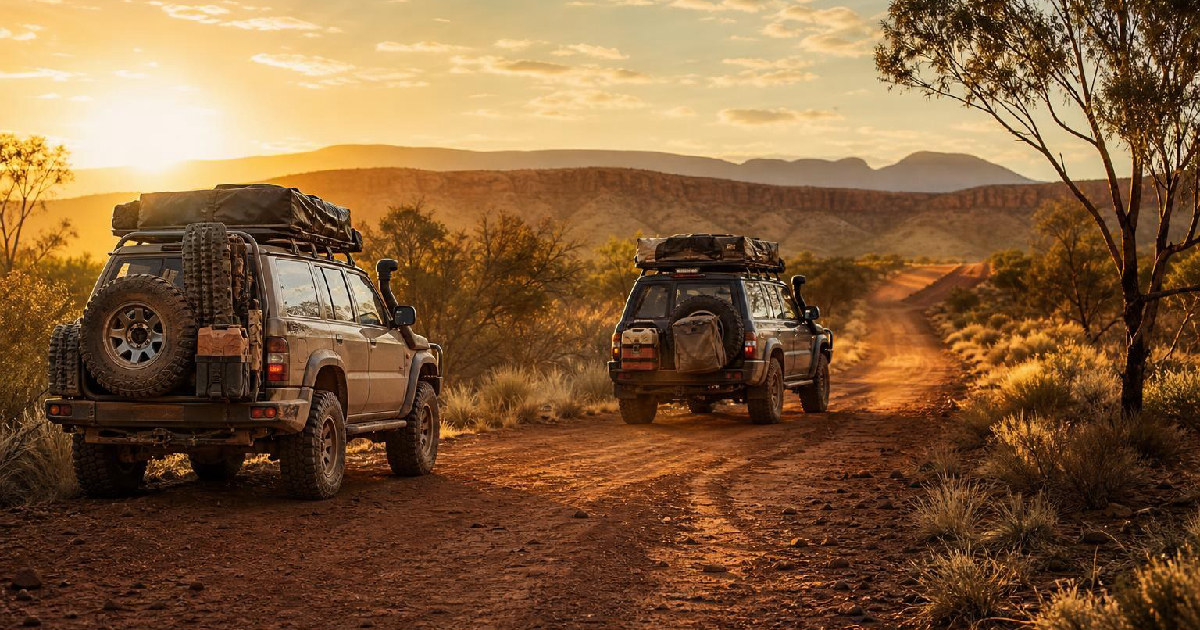
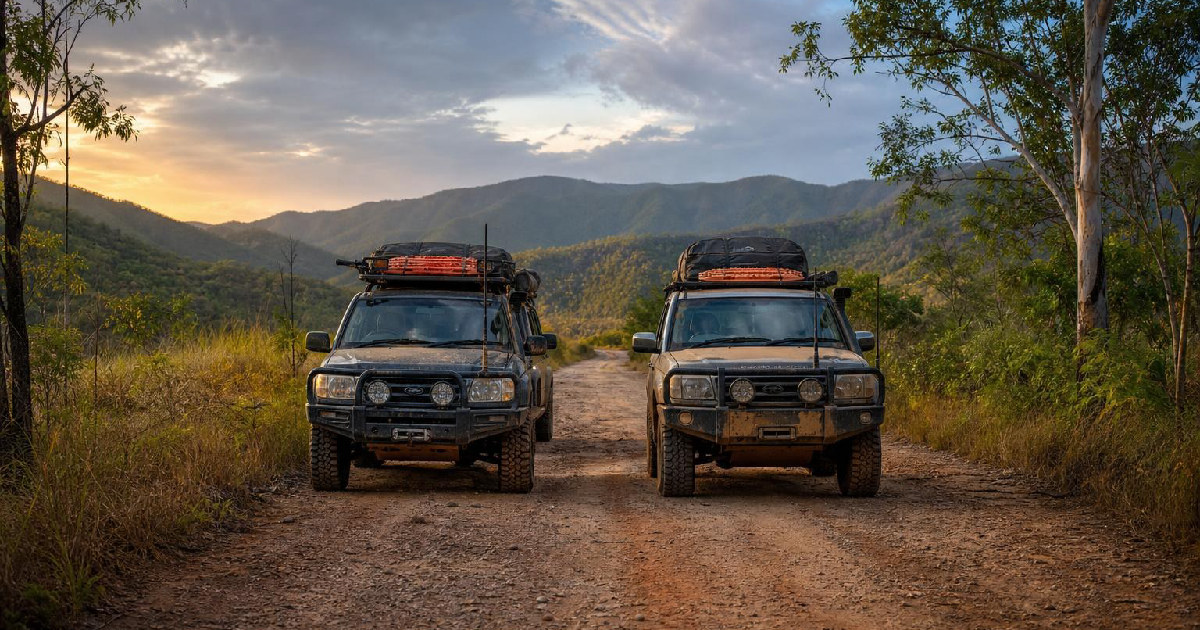
The strongest thing about this 4WD 24-7 video is not the destination, even if Cape York is the name on the horizon. It is the sight of Shorty and the OG Dirty 30 rolling north together again after more than 15 years of history and a long stretch apart. That single image gives the whole trip its emotional center. Before the dirt roads, the pub stops, or the bigger Cape York mission can matter, these two rigs have to make sense side by side again.
That is why the video works as a companion to the trip rather than just a travel diary. It is about reconnection. Shaun and Graham are not simply heading north in old trucks; they are bringing back a pairing that helped shape the early days of the channel. The banter makes it clear that the reunion itself is the milestone. The road is just the place where the reunion can happen properly.
For long-time followers, that history does a lot of the lifting. The video keeps returning to the feeling that these rigs were always meant to line up again. The return to convoy format gives the trip a memory to lean on, and that memory is what makes the first northbound kilometers feel bigger than a standard shakedown drive.
Why this is called a shakedown run
The trip begins with a practical purpose: 2,000 kilometers of outback Queensland before the Cape York adventure properly starts. The video is upfront about that. Shorty has not been on this kind of run in years, and the Dirty 30 has its own rebuild story behind it. So the early stretch is treated as a way to reacquaint people, vehicles, and habits.
That is where the phrase shakedown run really fits. The crew is not pretending the early driving is the main event. Instead, the miles north become a way to check the old rigs in real conditions and see how they settle into the road. There is attention on gauges, temperatures, and the ordinary business of getting a veteran 4WD back into rhythm. Those details matter because they tell you the trip is built on confidence earned mile by mile, not just on nostalgia.
The other useful thing about the shakedown framing is that it keeps expectations honest. This is not a polished arrival story. It is a working road trip, with camps that are sometimes rough and detours that are part of the fun. The old vehicles are the stars, but they are being asked to earn their place on the route.
The outback stops that give the miles shape
What keeps the northbound run from turning into a blur of highway footage is the way the video pauses at the places that give the drive personality. The campsites are not presented as perfect. In fact, one of them is described as one of the worst campsites ever, sitting by the highway and trucking route. But that honesty is part of the charm. The crew is not selling a fantasy version of the outback. They are showing the kind of stop that happens when the real job is getting kilometers behind you.
Even so, those rough edges do not flatten the mood. There is a fire, a few beers, and the small rituals that make a roadside stop feel earned. The rooftop tent, the swag, the camp setup, and the jokes about sleeping arrangements all help underline the same point: when the trip is about old mates and old vehicles, comfort is not the only measure of a good night.
The same goes for the pub stops. The video treats them as part of the route’s social geography, not just places to grab food. They are places where the crew can meet locals, reset the day, and let the trip breathe between long stretches of driving.
Belyando Crossing and the value of a pub stop
Belyando Crossing is one of those stops that immediately gives the trip a recognizable outback rhythm. The video makes a small but telling point of it: there is a pool table, there are beers, and there is enough time for a bit of competition before the road calls again. That is a familiar outback formula, but the way it is handled here matters. The pub is not treated as a side quest. It is part of the texture of moving north.
The stop also captures one of the video’s better ideas: that these trips are built on unplanned character. A pub stop in the middle of nowhere is never only about the pub. It is about who is there, what the place feels like, and how the crew fits into it for an hour or two. The pool game, the banter, and the score-settling all give the road section a lived-in feel.
There is even a nice contrast between the travel hardship and the hospitality. The crew has been pushing on through long distances, rough camps, and old-vehicle logistics, then lands in a place where a simple game and a cold drink can reset the mood. That balance is a big part of why outback road-trip stories keep working: the miles can be hard, but the pauses have their own reward.
El Arish Tavern, smoked croc, and a crowd waiting
By the time the crew reaches El Arish Tavern, the trip has already done its job of building anticipation. There are people waiting, the old rigs have a crowd around them, and the evening feels like a welcome point rather than an endpoint. The video leans into that social energy without losing sight of the vehicles that started it all.
The pub itself stands out because of the smoked crocodile on offer, which gives the stop a very specific local character. The video does not try to make a big theory out of it. It simply lets the moment exist: a whole croc smoked for hours, carved up for the crowd, and discussed with the kind of interest that comes from seeing something unusual done well. It is one of the more memorable anchors in the film because it turns a roadside pub into a destination with its own story.
That stop also shows how the trip is being shared with the broader 4WD 24-7 audience. The crowd is there not just for a meal but to see the old vehicles back together and to be part of the lead-in to the Cape York run. The pub becomes a meeting point between the channel’s history and the journey still ahead.
Why the real Cape York story is still ahead
If this video leaves you wanting the next installment, that is by design. The crew says as much: this stretch north is the setup, not the payoff. The real adventure begins once they move beyond the shakedown, the pub crawl, and the first reunion miles.
That makes this chapter valuable in a different way. It shows how a trip can start with maintenance, memory, and a sense of occasion before it turns into the bigger northern challenge. The cars have to prove themselves. The old friends have to settle back into a rhythm. And the audience gets a front-row seat to the part of the journey most travel videos skip: the beginning, when everything still feels possible and a little bit uncertain.
For viewers who have followed 4WD 24-7 for years, that uncertainty is part of the appeal. Shorty and the Dirty 30 are not just vehicles in convoy. They are part of the show’s own history, which is why seeing them back together gives the run to Cape York its real emotional weight.
Watch the original video: https://www.youtube.com/watch?v=2vghLoKUmLQ