Why this dive is about responsibility as much as discovery
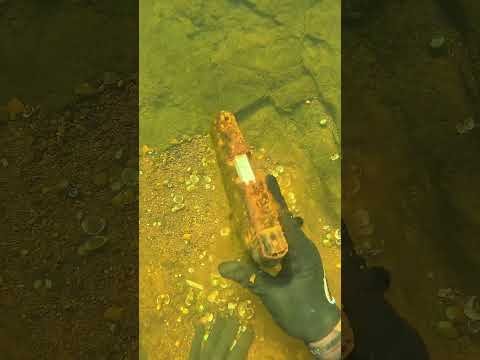
The short answer is that this scuba diving video is not really about a flashy underwater object. It is about the moment a search turns into a responsibility. DALLMYD’s own context says the gun he found was handed over to police, and that changes how the video reads. It is no longer just another treasure-hunting outing. It becomes a reminder that the most interesting thing underwater is not always something worth keeping.
That distinction matters because DALLMYD has built a channel around finding all kinds of lost or hidden items by scuba diving, freediving, magnet fishing, metal detecting, and related searches. In this case, the subject is more serious than a casual lost item, and the creator’s framing makes that clear. The fascination is still there, but it is paired with the practical reality that some discoveries have to be handled the right way.
What the video actually shows
The transcript itself is extremely minimal, so the video’s story has to be read through the title and the creator-provided context. The title sets up a challenge: “Find The Gun Before I Do!” That alone creates a sense of competition, urgency, and surprise. It suggests a dive where the audience is invited to follow the search rather than simply admire a finished result.
The transcript offers only music and a brief reaction, which leaves the visual side to carry the experience. That kind of presentation is common in search-and-recovery content, where the editing and the eventual find matter more than long explanation. Here, the emotional beat seems to be the moment of discovery itself, ending with a startled reaction that signals the search has paid off.
Because the source material is so sparse, the useful way to watch this video is not to ask for a full step-by-step breakdown that the footage does not provide. Instead, the point is to notice how the video is built around anticipation. The title promises a hunt. The brief transcript implies a reveal. The context adds the consequences.
Why the title sets up a chase
“Find The Gun Before I Do!” works because it frames the dive as something active rather than passive. The wording suggests that the creator is moving through the water with a target in mind, and that the audience is being brought along for the search. It is a simple structure, but it gives the video momentum before the first underwater image even appears.
That framing also helps explain why these videos are so watchable. The object is unusual, but the deeper hook is the uncertainty. Will the search succeed? Will the find come quickly or after a long stretch of looking? Will the underwater environment reveal something expected, or something more alarming? The title does a lot of work by turning a dive into a question.
For a creator like DALLMYD, that kind of question is the engine of the channel. The search itself is the story. The object is the answer.
When a find stops being a trophy
The creator description gives the most important missing piece: the gun was handed over to police. That one detail reshapes the whole interpretation. A gun found underwater is not the kind of object that fits neatly into a treasure display or a keepsake shelf. The handoff makes clear that the find carries a different kind of weight.
That is what gives the video its stronger editorial interest. Many search videos are built around the thrill of recovery, but this one also points toward public responsibility. The value of the find is not in ownership. It is in recognition and proper handling. That changes the emotional aftertaste of the video. The moment may still be exciting, but it also lands with a seriousness that sets it apart from everyday lost-item content.
The transcript does not spell out the transfer process, and it does not need to. The creator context already tells us the outcome that matters. The real story is that the underwater discovery did not end with possession; it ended with a handoff.
Why these search videos keep people watching
Part of the appeal of DALLMYD’s videos is that they sit between adventure and recovery. The viewer gets the physical challenge of scuba diving and the suspense of not knowing what is waiting below, but also the satisfaction of a clear outcome. That formula is especially effective when the object found is unexpected or serious.
In this case, the video’s brevity actually helps. The limited transcript means the imagery and the search process have room to do the work. The music, the underwater motion, and the final reaction all point toward a single event that the audience is meant to experience in real time rather than hear described later.
It is also worth noting that the creator’s broader identity as a treasure hunter shapes how viewers approach the video. People come expecting discovery, but the best videos in this lane usually offer something more specific: a sense that the search has meaning beyond the find itself. A gun turned over to police carries exactly that kind of meaning.
The real takeaway from the dive
The most useful way to read this video is as a reminder that search content can shift quickly from curiosity to responsibility. The search is still the hook. The underwater reveal is still the moment viewers came for. But the creator’s own context makes the outcome unmistakable: this was not a collectible find, and it was not treated like one.
That is why the video works as a companion feature even with such a short transcript. The action may be minimal on the page, but the story is not thin. The title creates anticipation, the transcript confirms the discovery moment, and the context gives the find its proper weight. The result is a compact but memorable search narrative built on surprise, restraint, and the decision to hand the object over.
Watch the original video: https://www.youtube.com/watch?v=YMIjwzNzLyQ
RECOMMENDATIONS
All About The Life designs from Texas Thread Theory, inspired by the places you go and the stories you bring back.
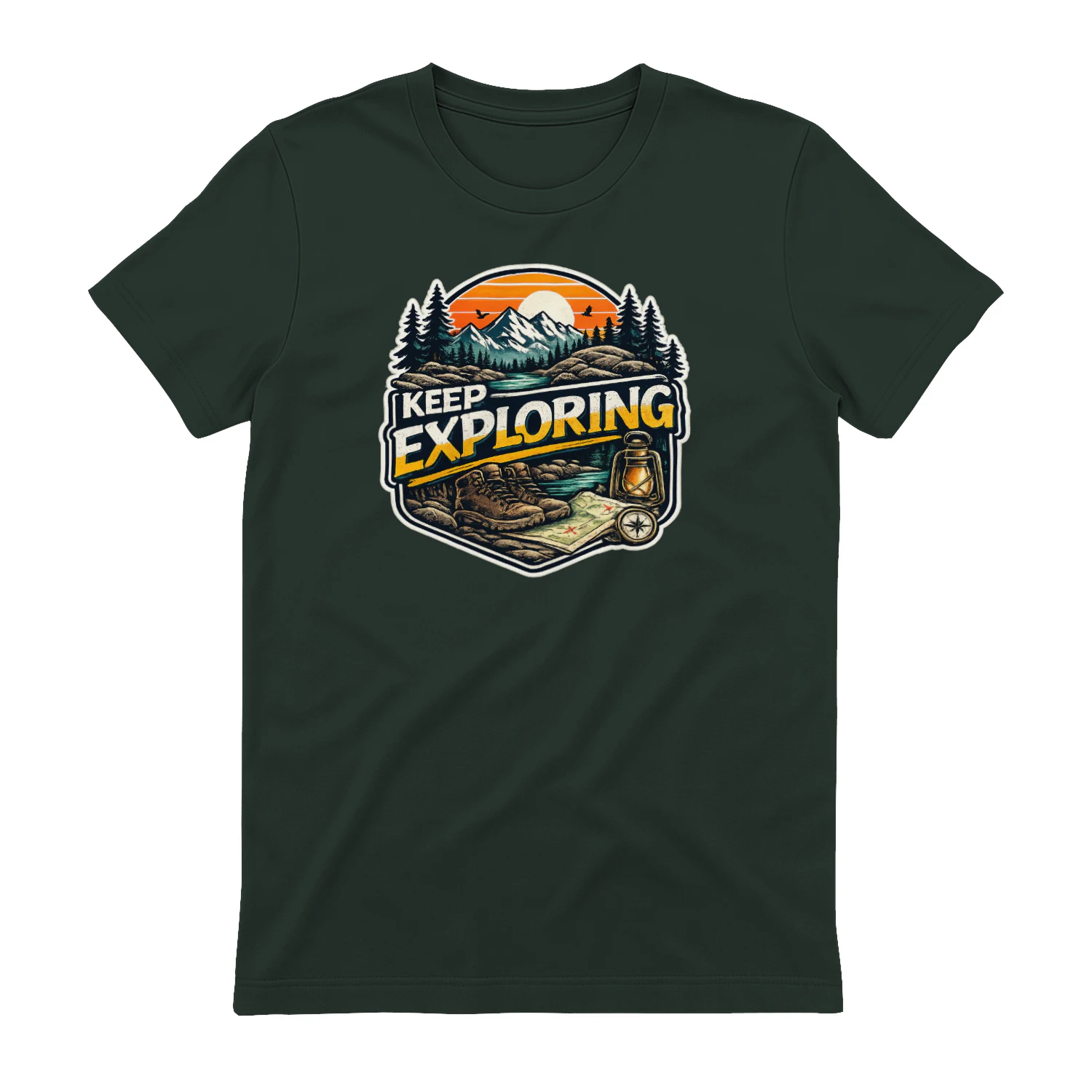
Keep Exploring Badge
A vintage outdoor badge centered on one simple message: “Keep Exploring.” With mountains, evergreens, a river, hiking boots, lantern, map, and compass details, it’s made for hikers, campers, travelers, and anyone who is always curious about what’s around the next bend.