Why this river keeps giving up lost gear
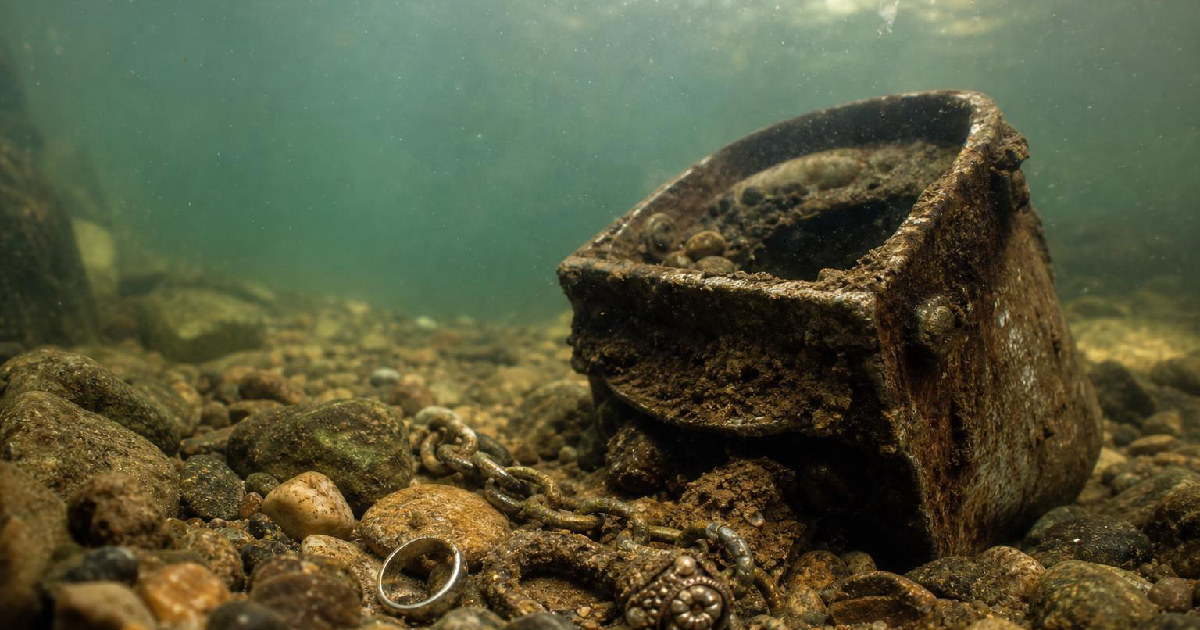
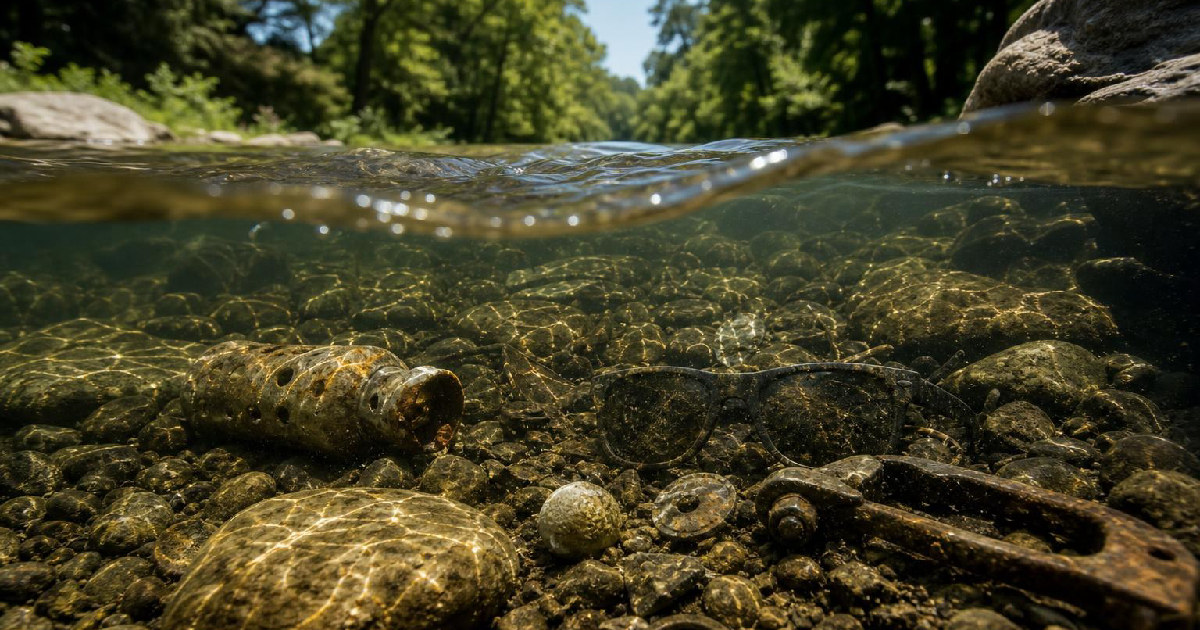
The clearest way to read this video is as a river treasure hunt that starts ordinary and keeps inching toward something better. DALLMYD heads out on the Chattahoochee River with scuba gear and a jet ski, and the early rhythm of the search is exactly what you would expect from a busy stretch of water used by a lot of people. Fishing gear turns up first, including a fishing pole, lures, and a swimbait. That alone tells you the kind of hunt this is: not a single dramatic pull from the bottom, but a steady sift through the river’s everyday losses.
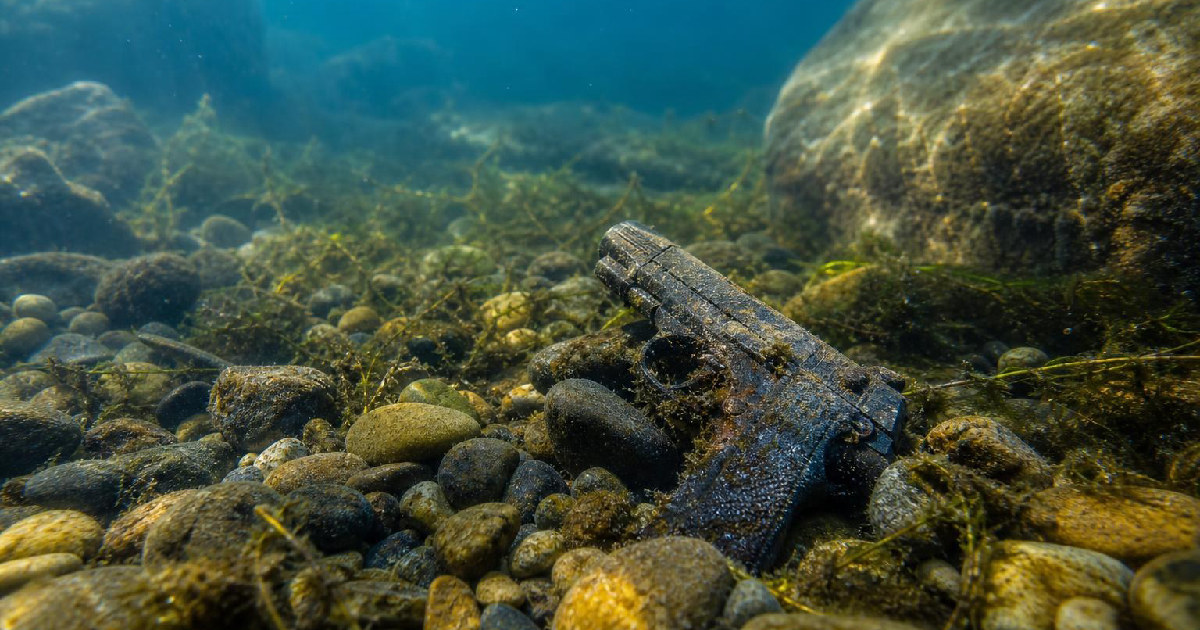
That matters because the Chattahoochee here is not being treated like a mystery location. It is a working, crowded recreation spot, and the video keeps pointing back to that. People come through in large numbers, and when that happens, the river becomes a place where dropped items, snagged tackle, and forgotten valuables can collect over time. The hunt is less about luck in the abstract and more about knowing where people use the water and how those places tend to give items up again.
The gear, the flag, and the search pattern
The search itself is built around a simple system. He sets up from the boat ramp, gets the jet ski in the water, and heads upstream toward the first dive spot. Once he clears one location, he plans to move on to the next. That structure gives the video its pace: dive, gather, move, repeat.
A dive flag is part of that setup, and he makes a point of showing why it matters to him while he is on the water. The flag sits above him while the jet ski stays attached, so the search can keep moving while still being visible from the surface. He also keeps the tone grounded about it, acknowledging that visibility is not the same thing as certainty. It is a practical part of the process, not a dramatic flourish.
What stands out is how methodical the hunt feels even when the finds come fast. He uses a clear jar he made himself to collect anything recovered underwater, which turns the outing into something more organized than a casual swim. The jar becomes a visible record of the dive, a way to keep the small finds together while he moves through the river.
From fishing tackle to a ring worth cleaning
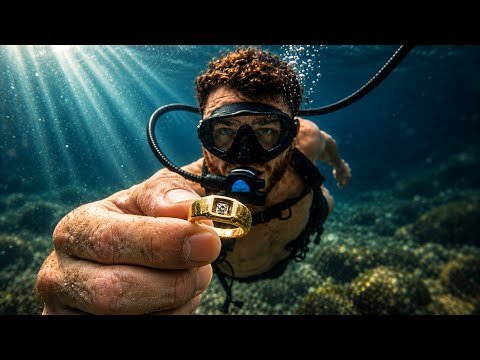
The finds start with what the river would most naturally hide. There is a fishing pole, there are lures, and there is a large swimbait that he clearly enjoys spotting. Then the video shifts into the kind of moment treasure-hunt viewers are really waiting for: a gold ring with a diamond.
He identifies it as 10 karat and calls it one of his favorite rings he has found. That reaction makes sense in the context of the hunt, because the video has already shown how much of this work is about sorting through the routine before landing on the unusual. A ring is different from fishing gear not only because it is more valuable, but because it suggests a person, a moment, and a loss that probably meant something.
That is where the video becomes more than a collection of finds. It is not just about recovering objects. It is also about the possibility that something personal can be pulled back into the light, cleaned up, and made presentable again.
What the river says about what people lose
DALLMYD explains the pattern clearly enough for the viewer: in this part of the Chattahoochee, people lose things because the river functions as a white-water rafting course. Thousands of people pass through on a monthly basis, and that kind of traffic creates a predictable trail of losses. Some people drop their phones. Some forget they are wearing wedding rings. Some try to film the ride and lose a GoPro or other gear in the process.
That explanation gives the finds a bigger frame without overcomplicating them. The video is not pretending that every underwater object has a big story. Sometimes the story is simply that the current, the activity, and the pace of the experience make losses easy. But once that is understood, the search becomes more interesting, because it is not random chaos. It is a response to a place where people regularly leave things behind.
The other important detail is what he says about recovery. He describes trying to find the owners and give items back for free when he can. That choice shapes the tone of the whole video. The hunt is obviously fun, but it is also organized around a kind of informal service: searching for objects, identifying them, and hoping that some of them can make their way back to the people who lost them.
The jewelry-shop reveal and why it matters
After the dive, he takes the ring to Custom Jewelers in Phoenix City, Alabama, where it gets cleaned up. The change is immediate. Once the grime comes off, the ring looks much closer to what it might have looked like when new. The jeweler points out how much better the inner detail looks after cleaning, and the contrast between river-coated and restored is one of the most satisfying parts of the video.
That follow-up matters because it closes the loop on the find. The ring is not just discovered and shown off; it is treated as an object worth restoring, looking at, and potentially returning to its best condition. The cleaning also gives the discovery a different emotional weight. Underwater, it is another item among many. Out of the river, it becomes something with shape, shine, and identity again.
The video also includes a wider slice of DALLMYD’s life than the hunt alone. He talks briefly about making these treasure-hunting videos for more than 10 years, and he mentions that life at home has recently changed with a new baby, Kate, just three months old. He credits Kendall for making the outing possible that day by caring for the baby at home. That bit of context helps explain why the hunt feels especially personal. It is not presented as a brand exercise or a stunt. It is something he clearly still loves doing, fitted in around a fuller family life.
For viewers, that balance is part of the appeal. The video delivers the expected river finds, but it also shows the routine behind them: the gear, the dive flag, the jet ski, the methodical search, and the cleaning afterward. In other words, the fun is in the find, but the meaning is in the process.
Watch the original video: https://www.youtube.com/watch?v=ziw5kvwtkXI
RECOMMENDATIONS
All About The Life designs from Texas Thread Theory, inspired by the places you go and the stories you bring back.
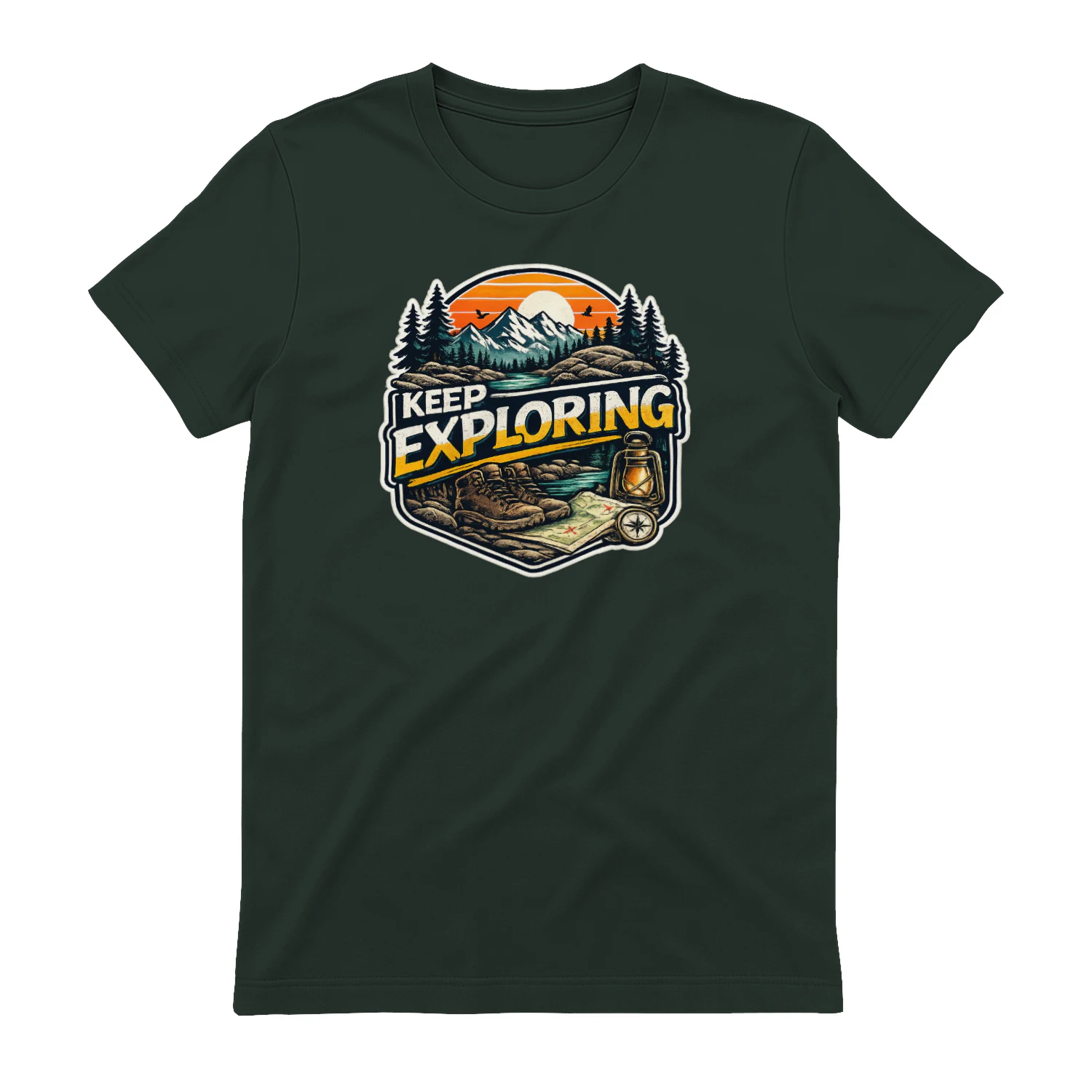
Keep Exploring Badge
A vintage outdoor badge centered on one simple message: “Keep Exploring.” With mountains, evergreens, a river, hiking boots, lantern, map, and compass details, it’s made for hikers, campers, travelers, and anyone who is always curious about what’s around the next bend.