A house boat trip that is really about adapting to the bayou
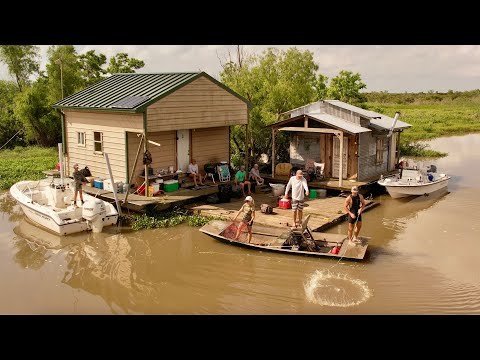
The direct answer to what this video shows is simple: Bluegabe and friends spend about 24 hours on a Louisiana bayou house boat where fishing, trapping, and cooking all depend on reading the water and adjusting fast. It is not a neat, single-objective trip. It is a moving setup built around camp life, shared labor, and the kind of fishing that only makes sense when the marsh itself is part of the plan.
That is what makes the feature interesting. The video is not just about catching fish or boiling seafood. It is about how a Louisiana bayou camp works when people actually live out of it for a short stretch. You see the pull of the place immediately: a marina with history, a long run into the marsh, and a camp that sits far enough out to make everything feel remote. That distance matters. Once they leave the dock, every choice gets filtered through current, access, bait, weather, and whatever the water decides to do next.
Why this kind of camp changes the whole day
A house boat camp in the bayou is not a novelty backdrop. In this trip, it is the operating system. The group is sleeping, eating, rigging tackle, and moving between fishing spots from one base, and that changes the rhythm of everything. Instead of resetting in town after each outing, they are working from a floating hub that keeps them close to the action.
The setting also explains the pace. They are not trying to cram the day with polished plans. They are reacting. If one bait gets stripped by crabs, they change it. If a jug drifts off line, they chase it. If the gar are rolling but refusing to stay hooked, they keep thinking through the problem rather than forcing a quick answer. The camp gives them a place to pause, but the water keeps asking for attention.
The trip also highlights a major difference in Louisiana that Bluegabe points out plainly: access is not the same as it is in Florida. In this part of the world, marsh ownership and leases matter, and the people they are with have the right setup to work that ground. That detail shapes the whole experience. This is not casual wandering. It is fishing and camping inside a system that has rules, boundaries, and long-standing local knowledge attached to it.
Catching, cooking, and resetting without rushing the water
The strongest thread through the video is the way food and fishing keep feeding each other. They are not separate activities. Shrimp caught earlier in the trip become part of the meal later. Crab traps turn into dinner. Boudin, beignets, boiled peanuts, and seafood all stack together until the trip feels like a rolling kitchen with a fishing problem attached to it.
That makes the catch-and-cook segments feel earned rather than staged. Joey spends real time building a shrimp stew with a roux base, blue crab, shrimp, and vegetables. Later, grass shrimp get rinsed and fried, and the group treats that experiment as both a snack and a conversation. The point is not culinary perfection. The point is that the bayou supplies ingredients that travel from trap, to pan, to table with very little distance in between.
Bluegabe also leans into the difference between what he expects and what Louisiana gives him. He comments on seasoning, texture, and the way the seafood comes apart cleanly, but the larger takeaway is simpler: this style of trip rewards flexibility. If one thing does not work, another one probably will. The day keeps moving because the food and fishing are tied to whatever the marsh provides.
The bait, traps, and jugs that shaped the fishing plan
The fishing side of the trip is a study in problem-solving. Bluegabe wants gar, but the bayou keeps complicating that plan. Crabs are thick. Baits get eaten. Hooks come back bent. Jug lines need to be managed carefully. At one point, a giant gar shows itself and then slips away, and the team has to re-think how to present bait in a place where the bottom is not the easiest place to stay successful.
That is one of the smartest parts of the video: it shows that bayou fishing is not only about finding fish. It is about figuring out the right height, the right bait, and the right water lane. When they switch between crab traps, catfish bait, live bait, chicken liver, and chunks of fish, they are not just trying random things. They are reading how the marsh is behaving and making the next move based on what keeps getting stolen or ignored.
The jugs are especially revealing because they show the style of fishing this water invites. Instead of one clean cast-and-wait approach, they are setting lines that can wander, drift, and be checked in a system where current and visibility both matter. A jug getting hit can turn into a chase, a miss, or a landed catfish depending on timing. That uncertainty is part of the appeal. The water never feels passive.
What high water and floating hyacinth changed in real time
If there is one environmental detail that keeps defining the trip, it is the floating hyacinth. Bluegabe wakes early and sees how much plant life has drifted through the area, and that changes the day in a very real way. Crab pots get dragged out of place. Gear gets scattered farther from camp than expected. A setup that made sense yesterday can be harder to manage today.
High water and moving vegetation also explain why the fishing is never as straightforward as it first appears. The group keeps adapting because the marsh is moving under them. This is not just scenery. It is an active part of the challenge. Even their route to and from camp becomes part of the story, with mud boats, long runs, and channel movement all showing how access depends on the conditions of the day.
That kind of uncertainty gives the video its shape. The appeal is not that everything works smoothly. The appeal is that it does not, and they keep adjusting anyway. One trap gets recovered. One line gets lost. One fish comes to the boat. Another slips away. The trip stays alive because the water refuses to behave like a flat, predictable pond.
Why the trip ends with one more move to Venice
The house boat section ends not because the story is finished, but because the group is changing settings again. They head out of the bayou and back toward Venice, where another round of fishing waits. That move matters because it reinforces the central idea of the video: this is a Louisiana trip built on mobility. Camp life, marina stops, marsh fishing, and dock fishing all belong to the same bigger experience.
By the time they shift to Venice Marina and the Fish Intimidator Lodge, the tone has changed from remote camp life to a more established fishing base, but the logic is the same. They are still working with what the local water offers. They are still choosing bait based on what the fish are eating. They are still making the day around the bite rather than around a rigid plan.
That is the real value of the episode. It gives you a feel for how Louisiana fishing trips actually operate when they are done as lived-in adventures rather than polished highlight reels. The house boat, the traps, the jugs, the meals, the high water, the hyacinth, and the long runs between places all belong to one story: in the bayou, the water sets the terms.
Watch the original video: https://www.youtube.com/watch?v=4ZuD418g-2c
RECOMMENDATIONS
All About The Life designs from Texas Thread Theory, inspired by the places you go and the stories you bring back.
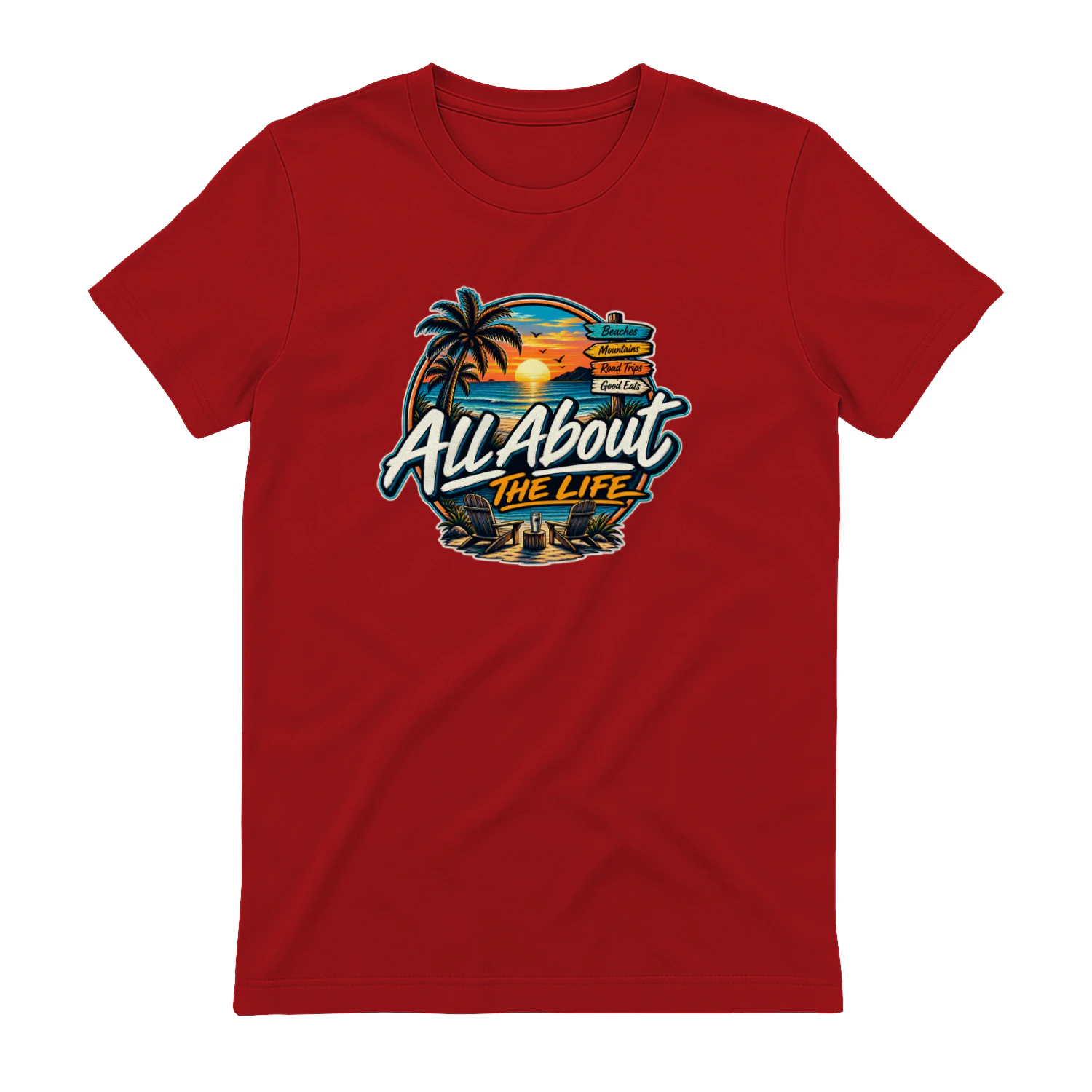
All About The Life Beach Signpost Badge
A tropical All About The Life travel badge featuring a glowing sunset, beach chairs, ocean scenery, and a signpost pointing toward Beaches, Mountains, Road Trips, and Good Eats. It’s a celebration of all the different ways to get out, explore, eat well, and enjoy the good life.