Why this lobster trip is really two trips
The direct answer is that this video is not only a lobster comparison. It is a travel story built around a comparison. Bluegabe starts in the Florida Keys on opening day of lobster season, then carries that catch all the way to Maine to see how Florida spiny lobster stacks up against Maine lobster in the place where Maine lobster belongs. That structure matters, because the trip is doing more work than a simple “which tastes better?” challenge.
The video keeps shifting between action and logistics: a dive in the Gulf, a family-driven cleanup at home, a dawn airport run, a cabin arrival, a seafood feast, and then a deeper look at lobster work on the Maine coast. By the time the taste test happens, it feels earned rather than staged.
The Florida Keys haul set the tone
The Florida portion of the trip starts with real conditions, not postcard ones. The crew heads out on a 10-mile run with storm clouds around them and visibility that is limited enough to make the water feel like part of the challenge. That sets the tone immediately. Nobody is pretending this is the polished version of fishing; it is the version you get when you work with the weather in front of you.
What also stands out is how much of the day belongs to the family. Crystal and Luke are diving, while Bluegabe and Oce are helping keep things moving, including Bo, who gets passed around as the work continues. That gives the catch a different feel. It is not just about filling a cooler. It is about turning a seasonal outing into something the whole family is inside of.
There is also a practical side to the Florida haul that the video handles well. The lobsters are cleaned on the spot, and Bluegabe explains the parts people usually throw away but can still be used, especially for things like soups or bisque. That detail gives the video a useful edge. It is not just “we caught lobster.” It is also “here is how much usable meat can come from one of these if you actually break it down.”
Freezing, packing, and flying the catch north
One of the most memorable parts of the video is not a catch at all; it is the packing. The Florida lobsters are frozen, wrapped, bagged, and carried north so they can survive the trip to Maine. That kind of detail turns the whole idea into a real travel project. It is one thing to say you brought lobster with you. It is another to hear how much care went into keeping it frozen, dry, and intact across a 2,000-mile flight path.
That section also makes the family dynamic feel lived-in. There are truck cleanouts, sleepy kids, airport timing, and the kind of short-term chaos that comes with trying to move a household, a catch, and a travel party at once. Bo’s tiredness, Jake’s independence, and the general scramble of getting from one place to the next all help the video feel grounded. It never tries to make the travel look effortless.
The result is that the lobster comparison begins before anyone tastes anything. It begins with the question of whether the Florida catch can make the journey, whether the family can keep up, and whether the whole setup can survive the pace of the trip.
Maine changes the question from catching to comparing
Once the crew gets to Maine, the video changes shape. The scenery, the cabin, the cool weather feel, and the working waterfront all give the trip a different rhythm. Bluegabe and the family are no longer just carrying a catch somewhere. They are stepping into a place where lobster is part of the everyday economy.
That shift matters because it changes the comparison from a novelty to a local conversation. They are not just asking which lobster tastes better in the abstract. They are tasting Florida spiny lobster beside Maine lobster while standing in the middle of Maine lobster country, with people who work the water for a living.
The contrast becomes even more interesting when the crew meets local seafood people, including Jason and Mr. Joel, who help frame the commercial side of the story. Bluegabe is clearly interested not just in the meal, but in the system behind it: how lobster is handled, sold, and understood by the people who work with it every day.
What the taste test actually revealed
The video does not hide the outcome. Across the table, the Maine lobster gets the stronger reaction. The words people use for the Florida spiny lobster lean toward “musty” and “cleaner” in comparison, with butter helping the Florida version but not changing the overall result in the same way. That is the plain reading of the taste test.
What is more useful, though, is the way the video treats the difference. It does not oversell either side. Florida spiny lobster is framed as something fun to catch and worth eating in the right setting, while Maine lobster comes across as the more familiar crowd favorite in this comparison. That is a fairer and more interesting result than a scripted “they’re both amazing” ending.
The seafood itself also changes texture in the mind of the viewer because of how the lobsters are handled. The video points out that some of the Maine lobsters are at a good stage for grilling, and that the meat pulls cleanly in a way that helps seasoning take hold. That is the kind of observation that makes a food video useful, because it tells you what the cook noticed, not just what got served.
The working-water side of the story
The Maine section is also where the video becomes a portrait of labor. Bluegabe gets a look at a commercial lobster operation, a crab trap pull, and the broader haul process that sits behind the meal. That part of the video is valuable because it reminds you that lobster is not only a travel food or a vacation treat. For the people living there, it is work.
The green crab discussion adds another layer. These crabs are not presented as a side quest for entertainment. They are part of the broader picture of what the local water is dealing with, including the pressure they put on soft-shell clam beds and the ways people respond by trapping, killing, or repurposing them. That gives the episode a real sense of place without turning into a lecture.
Even the seafood market stop contributes to that feeling. The video keeps circling back to what is common in Maine, what is bycatch, what gets sold, and what gets eaten or handed off. It makes the whole trip feel less like a celebrity visit and more like a temporary entry into a working food chain.
Why the video lands as a family travel piece too
If the lobster comparison were the only thing going on, the video would still work. But what makes it stick is the family texture around it. Bo’s exhaustion, the older boys coming and going, Crystal’s role in the trip, and the way everybody seems to be doing something different at once give the story movement. The seafood is the hook, but the household rhythm is what makes it watchable.
There is also something appealing about how ordinary the travel problems are. Airport security with milk, rental car frustration, tired kids, grocery stops, and the scramble of unpacking all feel familiar even when the setting is Maine rather than home. That familiarity keeps the episode from floating away into pure spectacle.
In the end, the lobster comparison works because it is attached to a real trip, a real family, and real food handling. That combination makes the Florida spiny lobster vs Maine lobster question feel less like a stunt and more like a reason to pay attention to how different regions treat the same basic idea.
Watch the original video: https://www.youtube.com/watch?v=wD4nmkBZM6c
RECOMMENDATIONS
All About The Life designs from Texas Thread Theory, inspired by the places you go and the stories you bring back.
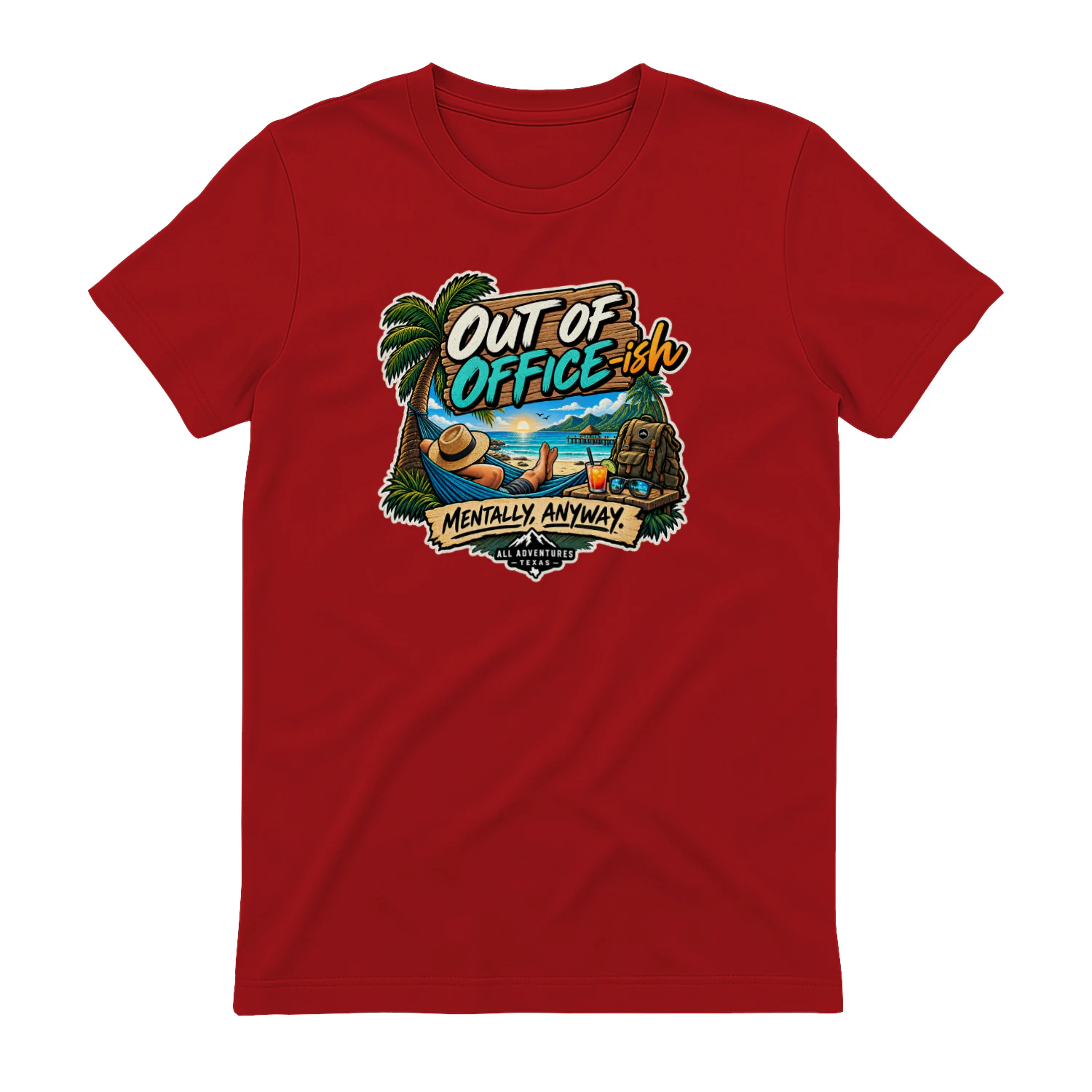
Out Of Office-ish — Mentally, Anyway.
A playful vacation design for anyone who may be physically present but mentally somewhere with palm trees. “Out Of Office-ish — Mentally, Anyway.” brings together beachy travel details and a little humor for travelers, vacation lovers, and people permanently ready for their next escape.