Why the bait run mattered before the fishing even started
The clearest answer to this video is that it is not just a kingfish catch-and-cook. It is a Florida offshore day built around one simple problem: getting anything to the boat before something else gets it first. That theme shows up early, even before the crew reaches the fishing spot. Bluegabe opens in Stuart, Florida, and the first job is bait. Sardines and cigar minnows are the foundation of the whole trip, and the video makes a point of showing that the best part of the morning may have been the bait fishing itself.
That matters because it sets the tone for everything that follows. The crew is not just heading offshore and hoping for a lucky bite. They are working from the start, reading surface ripples, dropping Sabiki rigs, loading bait on ice, and trying to stay ahead of the day. The fish they want later are only possible because the bait run goes well. In that sense, the episode is built on a very ordinary offshore truth: if the bait does not happen, the rest of the trip usually falls apart.
The setting also does a lot of work. Stuart, Hobe Sound, Palm Beach way down on the horizon, and Fort Pierce to the north all frame this as a familiar stretch of Florida water, but the video never treats it like scenery for its own sake. It is a working route. The crew moves from bait grounds to a personal fishing spot, then into the open question of what is actually down there on the reef and sand. That shift from bait to fish is what gives the trip its momentum.
The offshore bite, the sharks, and the storm that changed the plan
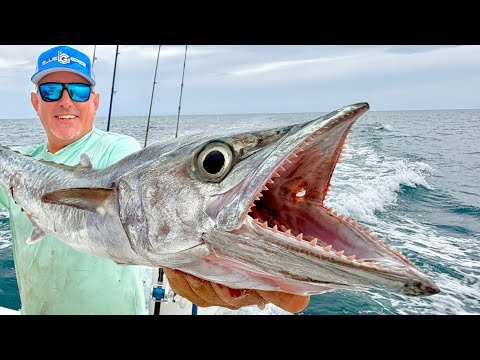
Once the crew settles in offshore, the day turns into the kind of fishing session that only makes sense if you have spent enough time around boats to know that success and frustration can happen in the same minute. They hook red snapper, mangrove snapper, kingfish, and a dolphin, but the video keeps returning to the same obstacle: sharks. Several fish are lost that way, and the frustration is not abstract. It is the feeling of being close to landing something good and then watching it disappear before it can be boated.
That pressure shapes the whole rhythm of the fishing. The crew talks about strong current, fish fighting in the flow, long leaders, and the need to reel hard just to beat the predators to the bite. This is not presented as a clean, tidy fishing day. It is messy, fast, and sometimes funny in the middle of the chaos. Fish come up, hooks pull, cameras miss the action, and everyone seems to be working at once. The video keeps that energy without polishing it into a highlight reel.
Then the weather moves in, and the tone shifts again. The storm is not a background detail; it becomes the central decision point. The crew checks radar, watches the size and direction of the system, and debates whether to run, sit tight, or fish through it. There is even a remembered lightning strike story in the middle of that conversation, which gives the storm more weight than just rough water. The point is not that the crew is fearless. The point is that they know what weather can do and still have to decide whether the day is worth pushing.
That choice gives the video its tension. There is fish in the box, but there is also the reality that the ocean can turn quickly. The run back is not the only thing at stake. The crew is measuring risk, time, and the likelihood of getting any more fish before the storm takes the decision away from them.
What the kingfish dinner says about the day
The catch and cook portion lands as a useful reset after all that offshore stress. Kingfish becomes the meal, cut into steaks and grilled rather than turned into the more familiar dip. That small choice says a lot about the video’s overall attitude. This is not a recipe feature dressed up as fishing content. It is a practical use of what came home after a difficult day.
The dinner scene also adds a calmer domestic edge to the episode. The boat work gives way to a family table, a simple rice dish, and a meal built from fish that was worth saving. The kingfish is described as flavorful and best handled fresh, which fits the whole approach of the video: use what you can, cook it well, and enjoy the part of the day that survives the weather and the predators.
There is also a nice contrast here between the ocean chaos and the home rhythm. Beau feeds lionfish with the family, the kids keep the mood loose, and the kitchen becomes the place where the catch finally gets to be appreciated instead of fought over. That change in setting matters because it keeps the video from ending on pure complaint. Even after a difficult offshore session, there is still the satisfaction of turning fish into dinner.
Why the video ends as a fishery argument, not just a catch video
The most notable part of the episode is not the trolling motor, the storm, or even the kingfish on the grill. It is the extended argument Bluegabe makes about what he sees happening in Florida waters. He speaks plainly about sharks, Goliath grouper, and red snapper, and he connects those species to his frustration over how hard it has become to fish the way he used to. The video’s emotional center is not subtle: he feels the fishery has changed, and he thinks anglers are being boxed out while certain species remain abundant.
Whether a viewer agrees with that view or not, the structure of the episode is clear. The bait run works. The offshore trip produces some fish. The sharks take others. The storm forces another level of judgment. And then the family meal turns the day into a broader reflection on what it means to fish in Florida now. That is why the rant does not feel random within the video. It grows out of the actual day they had.
The strongest part of the feature is that it never forgets the human scale of the trip. Adam is there. Tiffany is there. Crystal and the kids show up in the wraparound family life at the end. The trip is local, personal, and rooted in routine, which makes the frustrations feel lived-in rather than theoretical. This is not a detached commentary on fisheries policy. It is one crew’s account of what it feels like when a day offshore keeps getting interrupted by bigger forces.
Watch the original video: https://www.youtube.com/watch?v=jCrIZHu1VgY
RECOMMENDATIONS
All About The Life designs from Texas Thread Theory, inspired by the places you go and the stories you bring back.
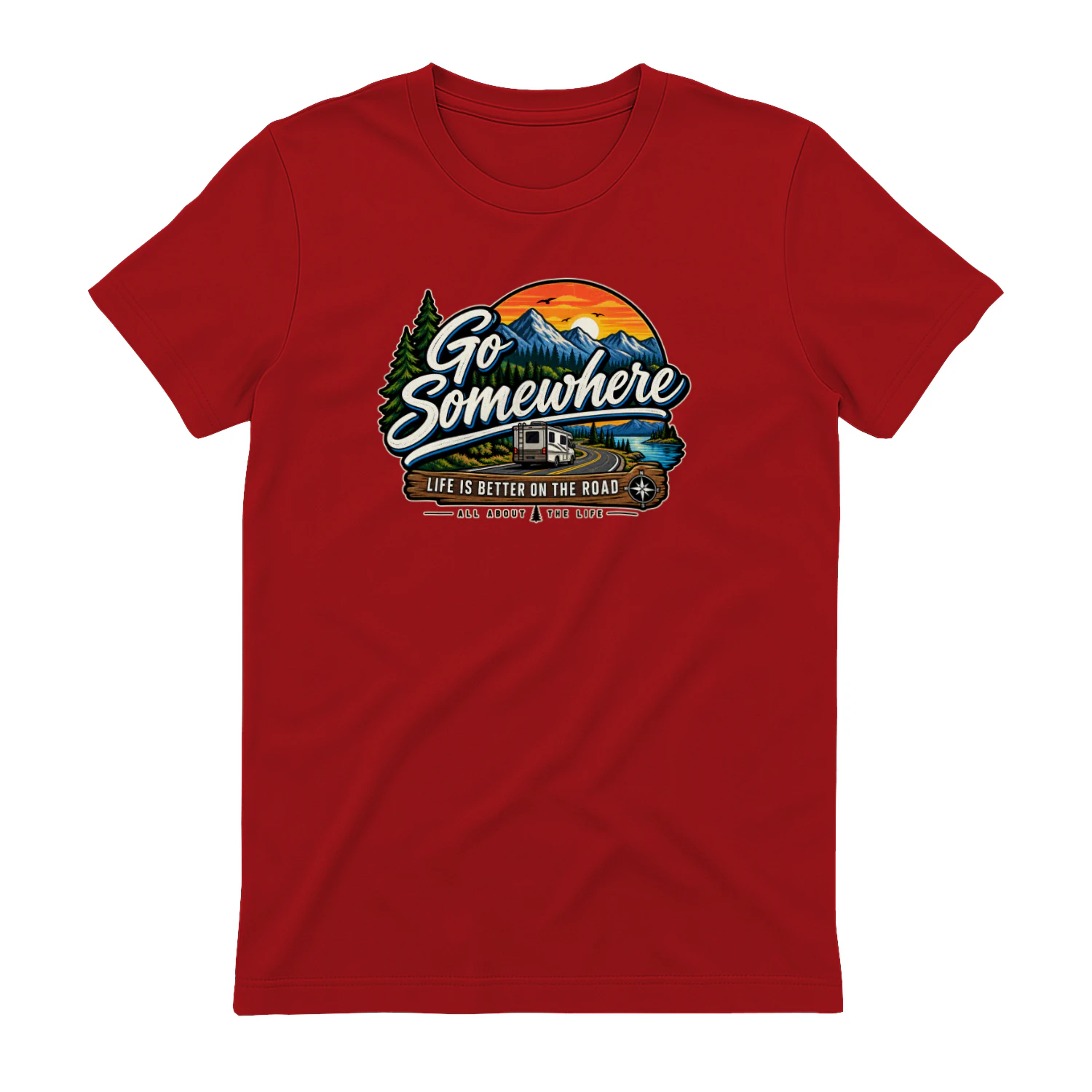
Go Somewhere — Life Is Better On The Road
A bold road-trip design featuring an RV, winding road, mountains, lake scenery, and the message “Go Somewhere — Life Is Better On The Road.” Made for travelers, campers, RVers, and anyone who feels a little more like themselves once the highway opens up ahead.