The recovery problem was already bigger than a normal bog
The plain answer is that this 4WD recovery starts with a 79 Series LandCruiser that is already well and truly stuck. In the video, the vehicle is described as submerged bonnet deep in mud and bogged to the sills, which tells you immediately this is not a quick tug-and-go situation. The crew arrives to find a machine that has gone down hard enough to need more than one attempt, and that prior effort had already failed when the winch rope snapped.
That detail matters because it changes the whole tone of the recovery. This is not just a vehicle that needs a bit of help to climb back onto firmer ground. It is a LandCruiser that has had time to settle into suction-heavy mud, the kind of situation where every inch of movement has to be earned. The transcript makes clear that the crew understands the resistance they are dealing with before they even start pulling.
Why the crew chose a double line pull
The recovery plan is straightforward, but not simple. The crew uses a double line pull from Tank’s vehicle, which signals that they are trying to multiply the pulling force rather than rely on a single straight winch line. In a bog like this, that choice is about control and leverage as much as raw effort.
The vehicle is not sitting lightly on top of the mud. It is buried enough that suction is a major factor, and the crew says so directly. When a 4WD is down in that kind of mud, the problem is not just weight. The mud wants to hold the vehicle in place. That is why the recovery is set up with a second rig and why the team takes their time with the pull.
The transcript also shows the human side of the setup. Jock and Jess are working the ropes, and the crew keeps checking progress as the vehicle starts to move. There is no sense of a rushed fix. The priority is to keep the pull organized and effective enough to shift a vehicle that had already beaten one recovery attempt.
A tire under the winch ropes to change the angle
One of the most interesting details in the video is the tire placed under the winch ropes. On paper it sounds simple, but the purpose is clear: it helps ramp the angle up and gives the line more leverage to try to pop the front of the vehicle.
That is the sort of adjustment that can make a real difference in a recovery without changing the whole operation. Instead of forcing the pull to work in a flat, low angle, the crew uses the tire to alter how the load comes onto the vehicle. The transcript suggests this was done deliberately to help the front end lift and reduce the mud’s hold.
The key thing here is that the recovery depends on setup, not just pulling harder. The team is not treating this as a brute-force problem alone. They are trying to improve the geometry of the pull, and that is exactly the kind of small field decision that often separates a stalled attempt from a successful one.
What moving a sills-deep 79 actually looks like
Once the pull begins working, the progress is gradual. The video does not present a dramatic instant release. Instead, the LandCruiser starts to come out slowly, with the crew calling out that they are making progress and then resetting before continuing.
That slow movement tells you how much resistance the mud is putting up. A sills-deep 79 Series does not simply roll out once someone attaches a winch. It has to be encouraged, reset, and pulled again. The recovery in the transcript is full of that kind of measured teamwork: keep tension on, check the angle, reset, and keep going.
The callouts in the video also give a sense of the coordination required. One person is guiding direction, another is watching the vehicle’s movement, and the team keeps the process calm enough to avoid losing the gain they have made. It is practical work, and the transcript shows it that way.
Why the overnight wait changed the story around the vehicle
There is a small but important backstory attached to the recovery: the occupants ended up sleeping on the track after the failed attempt the day before. That does not change the mechanical facts, but it does explain why this recovery carries a bit more weight than a normal extraction.
The vehicle was not left there by accident for a few minutes. It had already defeated one recovery effort, and the people with it had to stay put overnight. By the time the crew arrives, the situation is part logistics, part fatigue, and part problem-solving under less-than-ideal conditions.
That context helps explain the relief at the end. When the crew finally gets the 79 moving, the reaction is not theatrical. It feels like the release you get when a difficult job finally responds to the plan. The repeated thanks and congratulations in the transcript fit that mood.
The recovery works because the crew keeps adjusting
If there is a main lesson in this LandCruiser recovery, it is that difficult bogs reward adjustment. The crew does not rely on one idea alone. They combine a double line pull, a second vehicle, a changed winch angle, and careful monitoring of the vehicle’s movement until the 79 finally comes free.
That is why the clip works as a companion feature, even though the video itself is short. It shows a recovery that depends on reading the mud correctly and changing the setup to suit what the terrain is doing. The result is not flashy, but it is satisfying in a very practical way.
For anyone who has spent time around off-road recoveries, this is familiar territory: the bog looks simple from a distance and turns complicated the moment the vehicle starts to move. In this case, the crew’s willingness to reset, reposition, and work with leverage instead of against it is what gets the job done.
Watch the original video: https://www.youtube.com/watch?v=1oTcV4TyUpg
RECOMMENDATIONS
All About The Life designs from Texas Thread Theory, inspired by the places you go and the stories you bring back.
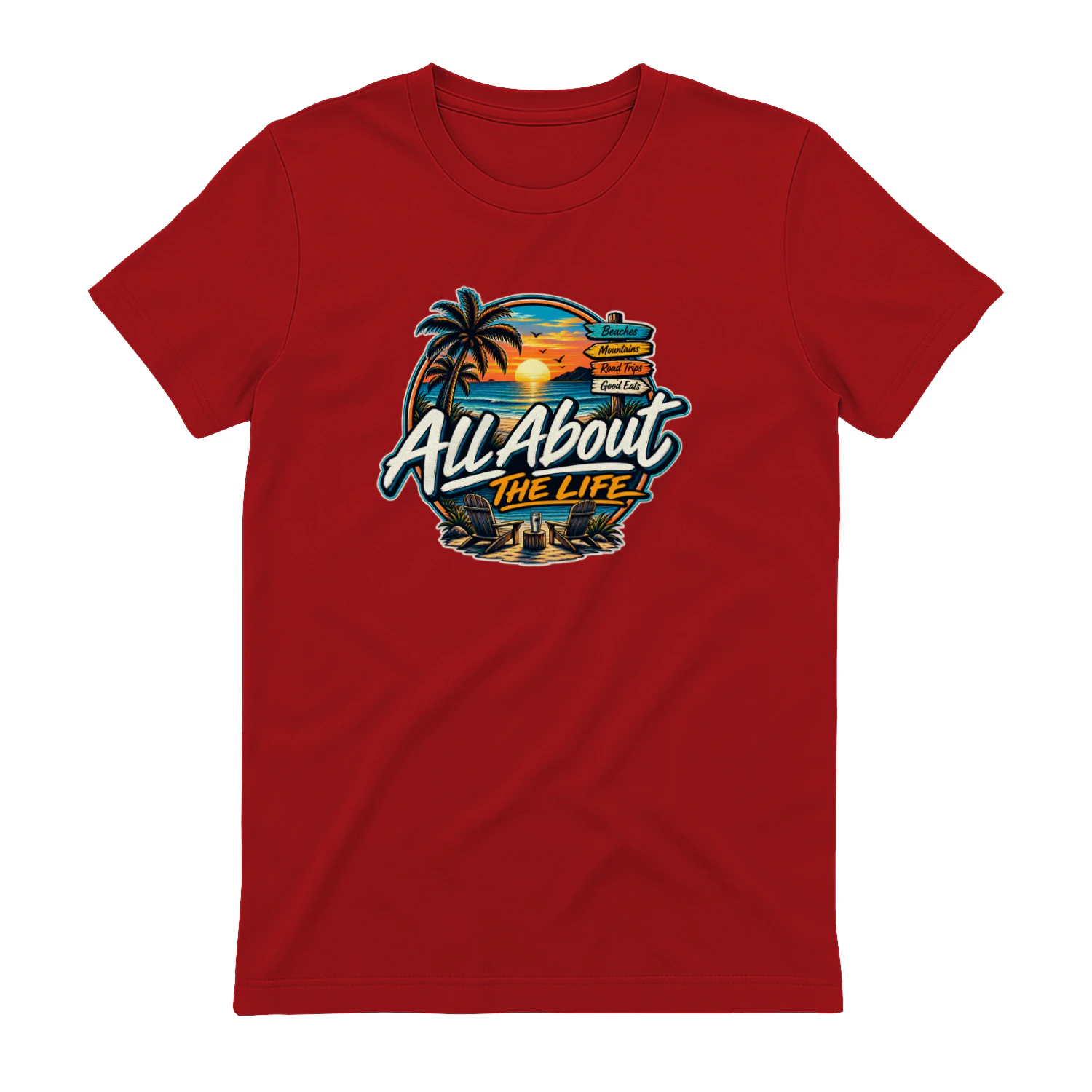
All About The Life Beach Signpost Badge
A tropical All About The Life travel badge featuring a glowing sunset, beach chairs, ocean scenery, and a signpost pointing toward Beaches, Mountains, Road Trips, and Good Eats. It’s a celebration of all the different ways to get out, explore, eat well, and enjoy the good life.